Why Mould Starts at the Window Before Anywhere Else
The window is usually the coldest thing in the room. Glass, the frame and the plaster reveal around it lose heat faster than the surrounding wall, so the moisture in ordinary room air settles there first, and stays wet there longest.
Mould needs a surface that stays damp, not a room that is damp. That is the idea behind this whole guide, and it is why one window in a house grows mould while the others, sometimes in the same room, do not.
Recognise this in your own property? Book a survey or call 07453 527 205.
The Four Places It Appears, and What Each One Tells You
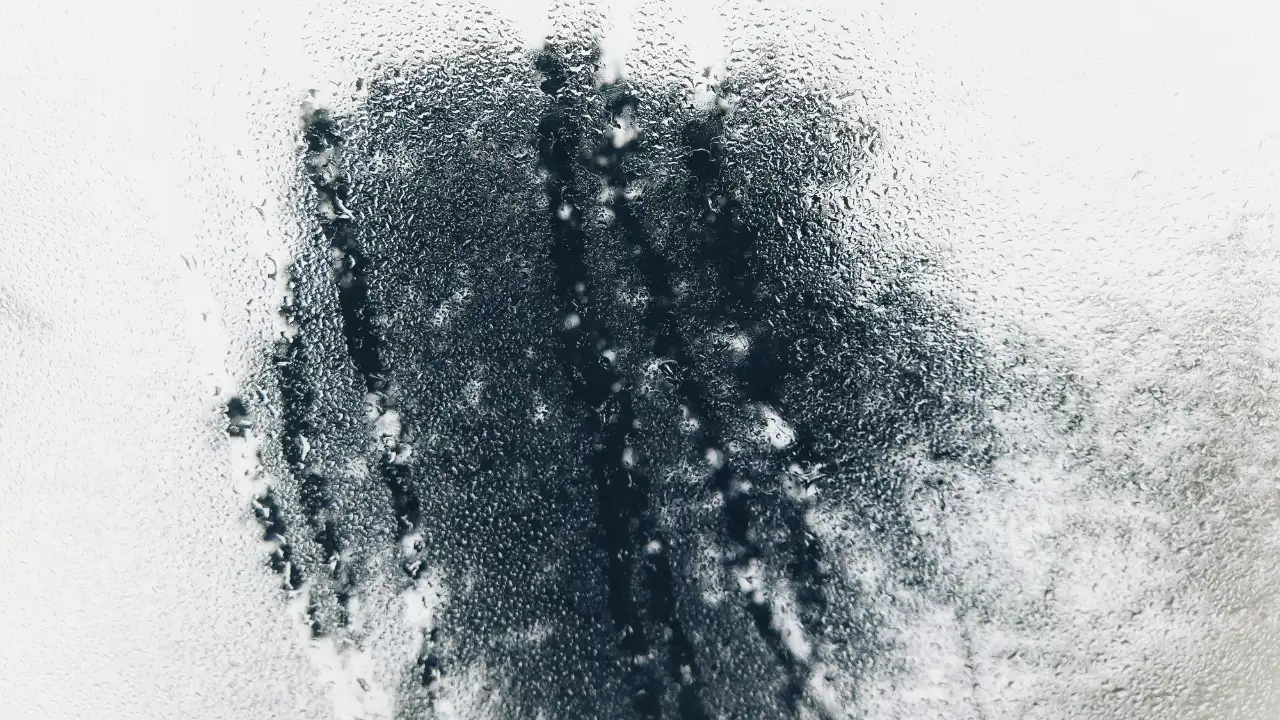
- On the sealant and the beading at the bottom of the glass. Water runs down the glass overnight and collects where it can't dry. Almost always condensation.
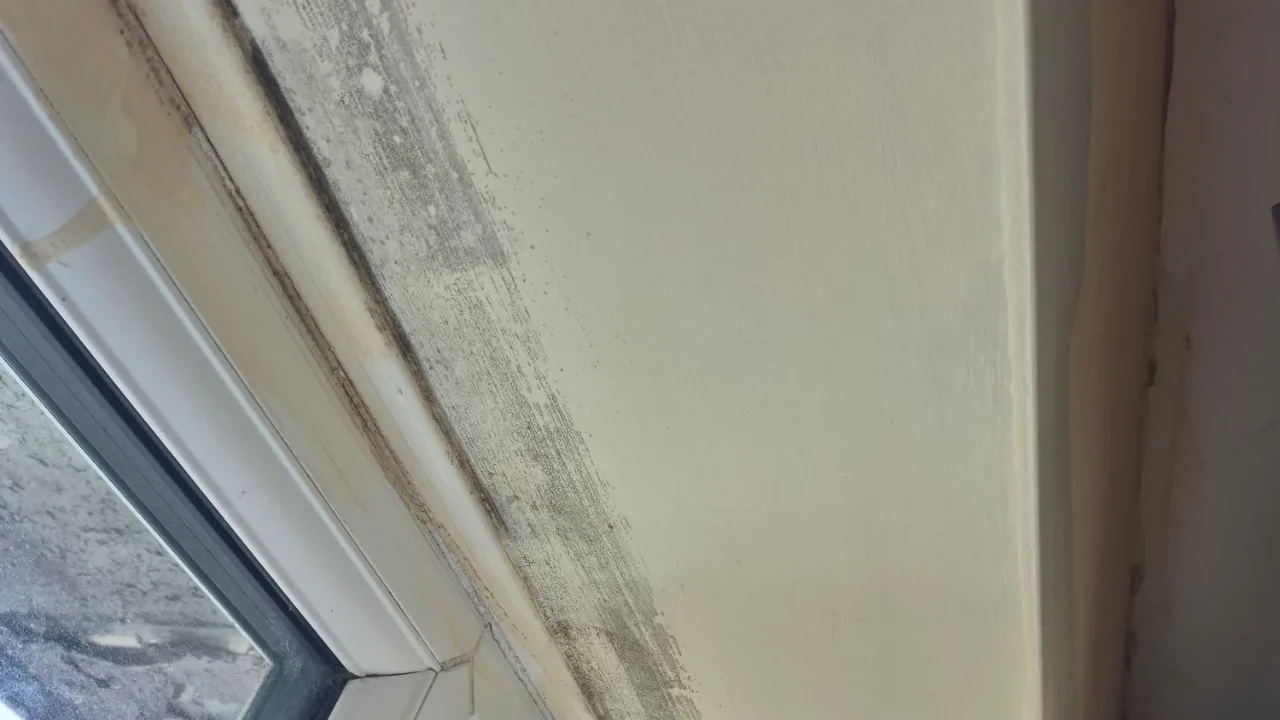
- On the plaster reveal around the frame. The reveal is thin and cold, a cold bridge between inside and outside. Can suggest the room is short of ventilation, or that the reveal was never insulated.
- On the sill, or running below it. If it stays on the inside face, that can suggest condensation. If it continues down the wall below the sill, that can suggest water getting past the sill rather than settling on it.
- On the curtain, the blind, or the wall a few inches back from the frame. Usually means the air by the window never moves. Curtains closed against cold glass make a small, still, cold pocket, which is why this pattern shows up most in bedrooms.
In every case the pattern can suggest a cause. It doesn't prove one on its own.
Why It Is Worst in the Bedroom
A sleeping adult breathes out moisture for eight hours, in a room that is usually heated least, with curtains shut against the coldest surface in the house and often a wardrobe pushed against an outside wall. Nothing unusual is happening. The bedroom is simply the worst combination of moisture, cold and stillness that a house contains.
When It Is Not Condensation
A few patterns can suggest something other than condensation: mould on one side of the window only, staining that worsens after heavy rain, a frame that is soft or discoloured, water sitting inside a sealed double glazed unit, or damp that runs below the sill rather than sitting on it. These can point towards a failed seal, a leaking frame, defective pointing around the opening, or a sill that has lost its drip groove. Cleaning won't touch any of it, because the cause isn't airborne moisture.
Our guide to telling rising, penetrating and condensation damp apart and our guide to water getting in around an opening both cover how the pattern separates these from ordinary condensation.
What Actually Stops It Coming Back
In order of what moves the needle: a short, proper burst of ventilation each morning rather than a window left cracked open all day, trickle vents opened and unpainted, steady background heat rather than short blasts, curtains and blinds left clear of the glass, furniture pulled a few centimetres off the outside wall, and the glass wiped down on the mornings it runs.
Then the honest line: cleaning removes what you can see and changes nothing about why it grew. Our guide to the five minute ventilation habit and our guide to removing mould properly, and what doesn't work cover the method.
Does Replacing the Windows Fix It?
Often not on its own, and it can even make things worse before they get better. Old, draughty windows were ventilating the room whether anyone wanted them to or not. Seal the room with new, tight-fitting windows and the same moisture load has nowhere to go, so it moves to the next coldest surface, which is often the reveal, the corner of an outside wall, or behind a wardrobe.
New windows help when they come with working trickle vents and the room is properly ventilated. On their own, they tend to move the problem rather than fix it. Our guide to whether the condensation on the glass itself is normal covers the water side of this question in more depth.
Is Mould Around a Window Harmful?
Health is not our area, and we won't give a medical answer in our own words. The NHS sets out who is most affected by damp and mould and what to do about it.
What we can say is the building side: mould at a window means a surface that has stayed wet, and it will regrow after cleaning until that changes. Where a vulnerable person sleeps in the room, the cause is worth identifying rather than cleaning the same patch each month. Our black mould guide covers removal in more detail.
If You Rent
Report it in writing, photograph it with the date, and say which window and when it is worst. Most window mould in winter is part building and part habit, and a written record is what settles which. Our guides to who is responsible for mould in a rented home and to condensation in a rented home cover both sides in more detail.
What a Survey Does About It
A DMM visit covers the accessible rooms and the outside of the opening, moisture readings at the reveal and below the sill, a look at ventilation provision, and thermal imaging where relevant. The findings are set out in a written report.
Ready to book a damp survey? We cover Lincoln and Lincolnshire.
FAQ · Frequently Asked
Common Questions
Is mould around windows harmful?+
Health is not our field, so we will not answer that in our own words. The NHS publishes guidance on damp and mould in the home and who is most at risk from it. What we can tell you is the building side: mould at a window means a surface that stays wet long enough for it to grow, and it will keep coming back after cleaning until that stops being true.
Is mould on a window sill toxic?+
"Toxic black mould" is a phrase that travels further than the evidence behind it, and most of what circulates online about it comes from the American internet rather than from UK guidance. For anything about health, use the NHS. For the sill itself, what matters is whether the mould is sitting on the surface because of condensation or whether water is getting into the sill, because only one of those is fixed by ventilation.
What kills mould around windows?+
A dilute detergent solution or a proprietary mould cleaner on a damp cloth deals with a small patch. Do not dry brush it or vacuum it, which puts spores into the air. What kills it matters less than people expect, because anything that kills it also leaves the surface exactly as cold and as damp as it was, so it returns. The thing that stops it is changing the surface, not the cleaner.
Is it normal to have mould on a window sill?+
Common, which is not the same as normal. A window that mists in the morning and dries by lunchtime is ordinary British winter. A sill that grows mould is a sill that stays wet for hours every day, which means either the air in that room has nowhere to go or water is reaching the sill from somewhere else.
Does putting the heating on help?+
Steady heat helps, short bursts do not. Heating a room hard for an hour and then letting it go cold gives you warm, moisture holding air meeting a window that is still cold, which is the worst combination for the reveal and the frame. Low and constant, with ventilation, does more than high and occasional.
Why does mould keep coming back on the same window?+
Because that window is the coldest surface in the room and nothing about it has changed. Same cold glass, same still air behind the curtain, same moisture from the room. Mould returning within weeks of cleaning is a sign the cause was never addressed, not that the cleaning was done badly. If it returns on one window and not the others, the difference between them is the clue.
What is the white fluffy mould on my window sill?+
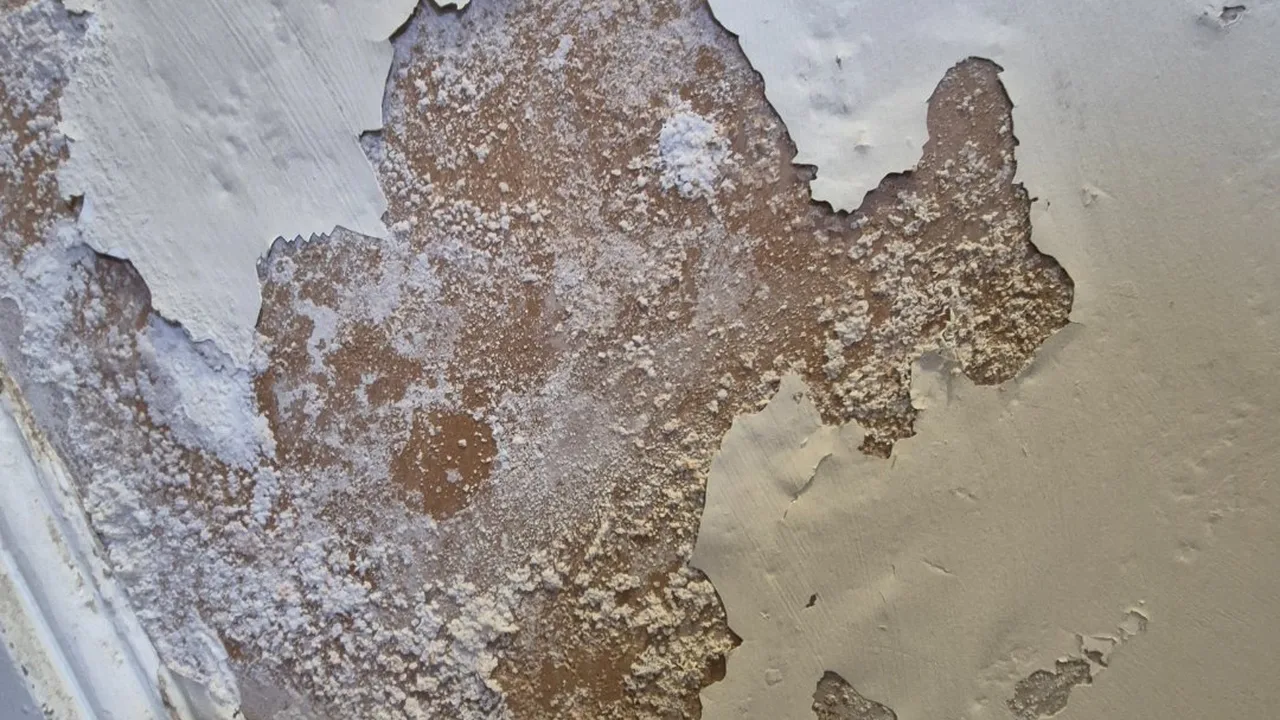
White or grey fluffy growth is usually a mould rather than efflorescence, though the two get confused. Powdery white crystals that brush off dry are more likely salts carried out of plaster or brickwork by moisture, which points at a different problem to condensation.
How do I stop mould around windows in winter?+
Ventilate properly in short bursts rather than leaving a window ajar all day, open the trickle vents, keep background heat on low rather than in blasts, pull curtains and furniture clear of the glass and the outside wall, and wipe the glass on mornings when it runs. If you do all of that for a few weeks and it still returns on the same window, that window is telling you something the room cannot fix.