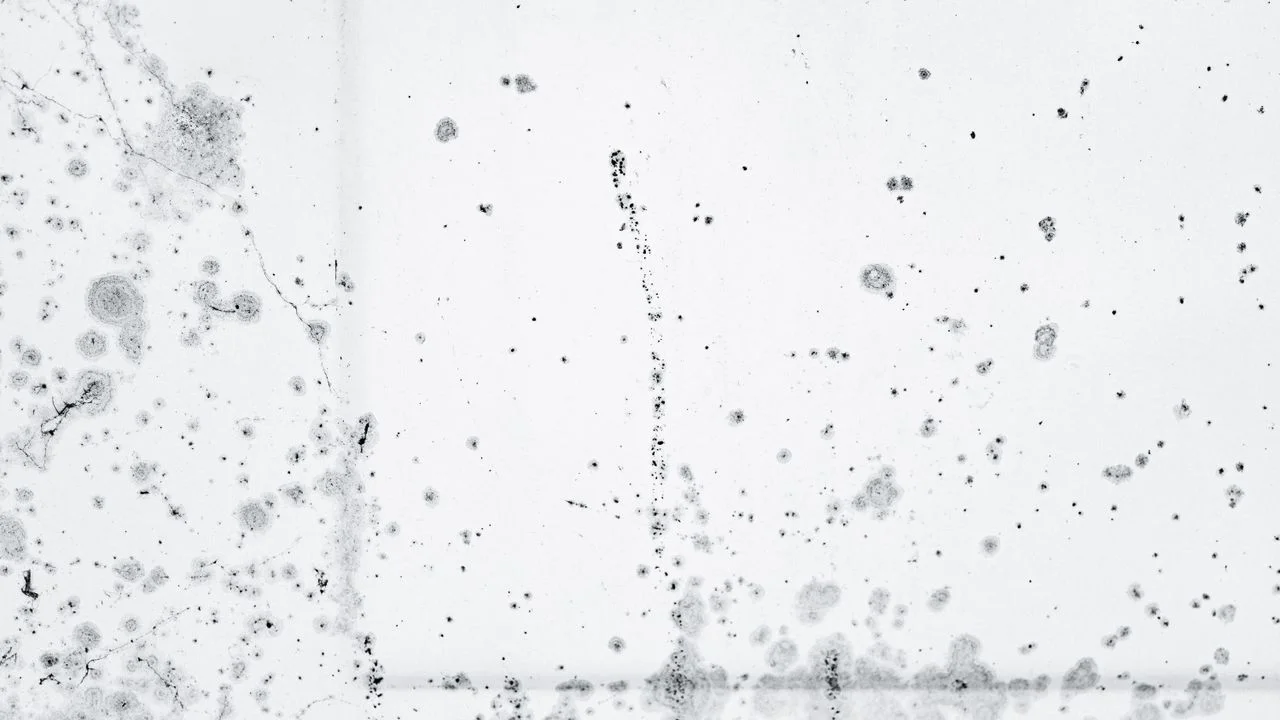
Black mould is the visible end-product of a moisture problem the property has been losing for weeks or months. Cleaning it off is the easy part. Stopping it coming back means understanding what it actually is, what is feeding it, and which DIY treatments are worth your time.
Health warning
Black mould produces airborne spores and mycotoxins linked to asthma, sinusitis and respiratory infections. Children, elderly people and anyone immunocompromised should not be in the room during removal. If the affected area is larger than 1m², or if a tenant reports symptoms, get a professional HHSRS-compliant survey.
What Is Black Mould?
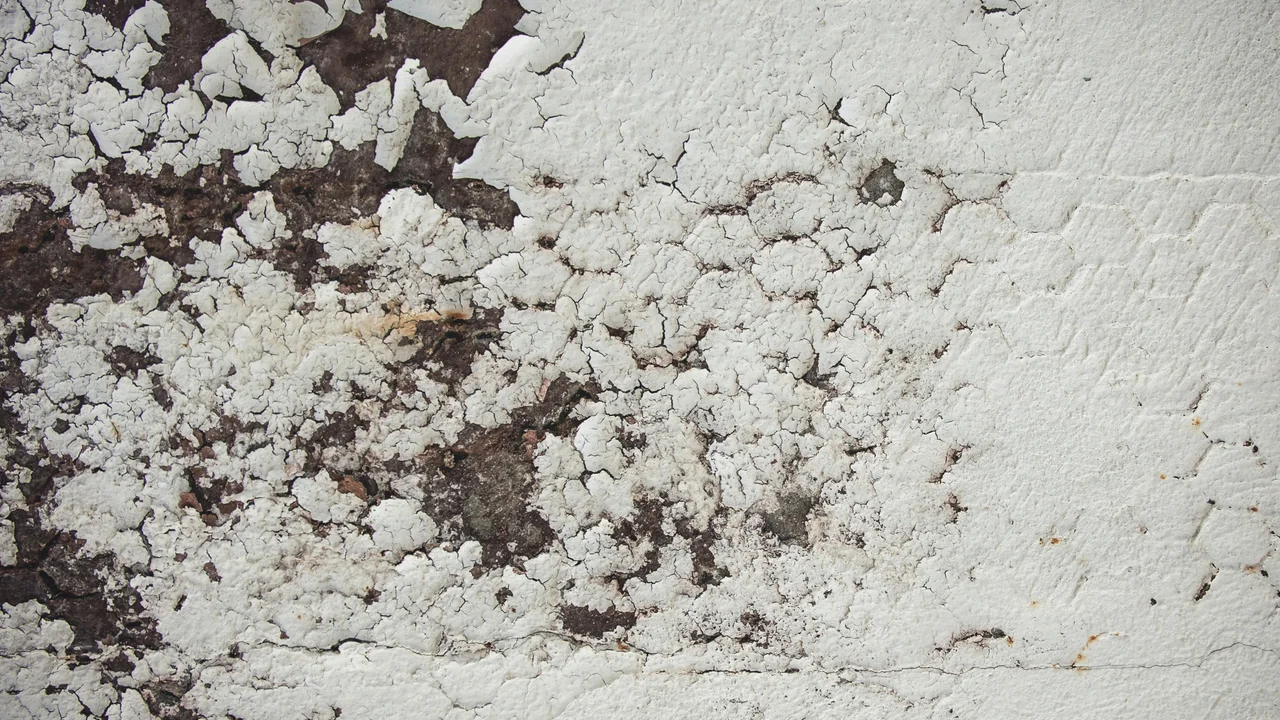
"Black mould" is a catch-all term for several dark-coloured mould species commonly found in UK homes. The two most common are Stachybotrys chartarum (the species the press normally calls "toxic black mould") and Aspergillus niger. Both appear as dark green-black patches with a slightly fuzzy or slimy texture and a distinctive musty smell.
What separates black mould from harmless surface mildew is what is going on beneath the surface. Mould produces a network of fine threads called hyphae that penetrate into porous materials — plaster, grout, silicone, plasterboard. By the time you see a visible black patch, the colony beneath the surface is several times larger.
Is Black Mould Dangerous?
Yes — particularly to vulnerable occupants. The Royal College of Paediatrics and Child Health has identified prolonged mould exposure as a cause of severe respiratory illness in children. Awaab's Law was introduced after two-year-old Awaab Ishak died in 2020 from a respiratory condition directly attributed to mould in his family's social housing flat.
Common health effects include:
- Persistent cough, wheezing, and shortness of breath
- Asthma exacerbations and more frequent attacks
- Sinusitis, allergic rhinitis, and nasal congestion
- Skin and eye irritation
- Respiratory infections, particularly in the immunocompromised
- Headaches, fatigue, and difficulty concentrating in long-term exposure
Why Black Mould Appears
Mould needs three things: spores (already present in every UK home), an organic surface to grow on (paint, plaster, wallpaper, fabric, dust) and moisture. The first two you cannot eliminate. The third — moisture — is always the cause and always the fix.
Condensation (around 80% of UK cases)
Warm, moist air from cooking, showering and breathing meets a cold surface — typically an external wall, window reveal or single-glazed window — and condenses into water. Modern airtight homes with insufficient ventilation are particularly prone.
Penetrating damp
Water entering horizontally through a defect — failed render, missing pointing, leaking gutter, damaged roof flashing or perished window seals. Damp patches typically appear away from ground level and worsen after rain.
Rising damp
Ground moisture wicking up through masonry where the damp-proof course has failed or is bridged. Affects ground-floor walls only, with tide marks at around 1 metre and salt deposits visible.
Plumbing & concealed leaks
A small pinhole in a copper pipe, a failed shower tray seal, or a slow leak under a kitchen sink can saturate plasterboard for months before mould becomes visible.
How to Get Rid of Black Mould — Step by Step
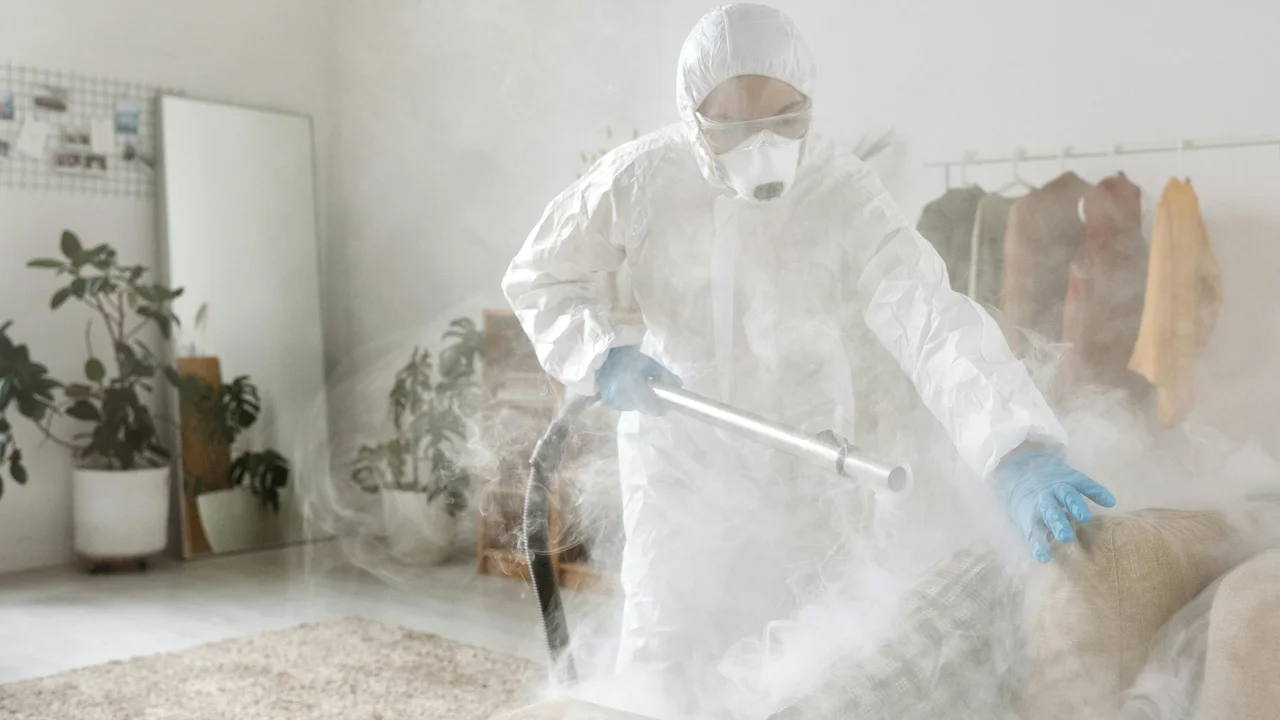
For small contained patches up to around 1m², a careful DIY approach works. Anything larger, or any case involving a tenant complaint, should be assessed professionally.
PPE & safety before you start:
- • FFP3 disposable respirator (a cloth mask is not adequate)
- • Disposable nitrile gloves and eye protection
- • Long sleeves and trousers — old clothes you can wash hot afterwards
- • Open windows wide for ventilation, but keep internal doors closed so spores don't spread to other rooms
- • Vulnerable occupants out of the property until cleaning and drying are complete
Step 1 — Identify and stop the moisture source
Cleaning before you fix the cause is wasted effort. Look for the obvious: a leaking pipe, blocked gutter, broken extractor fan, missing trickle vents, a window that never gets opened, or visible condensation on cold mornings. If the cause isn't obvious, you need a survey.
Step 2 — Treat the visible mould
Spray a fungicidal mould remover (e.g. HG, Astonish, or any biocidal product containing benzalkonium chloride) directly onto the affected area. Leave for the contact time stated on the product (typically 5–15 minutes). Wipe firmly with a microfibre cloth, then bin the cloth — do not rinse and reuse.
Step 3 — Dry the area thoroughly
Mould cannot regrow on a properly dried surface. Run a dehumidifier in the room for 48–72 hours, or open windows wide and use a heater to drive moisture out. The wall must be visibly and measurably dry before you redecorate.
Step 4 — Repaint with anti-mould paint
Once dry, apply a fungicidal anti-mould paint such as Dulux Trade Anti-Mould or Sandtex X-tra. Standard emulsion will not stop mould returning even if the cause has been fixed.
How to Remove Black Mould from Specific Surfaces
How to get rid of black mould on walls
On painted plaster, the four-step process above works for surface growth. If the mould has bled through paint or wallpaper, strip the affected covering back to bare plaster, treat the substrate, allow it to dry fully (a moisture meter reading below 16% is the standard), then redecorate with anti-mould paint. If the underlying plaster is soft, blown or salt-contaminated, it needs replacing — that is a plasterer's job, not paint.
How to clean black mould off ceilings
Ceiling mould almost always means a moisture source above — a roof leak, condensation in a cold loft, or a leaking bathroom on the floor above. Treat the visible mould with fungicidal spray, but get the loft and roof checked before redecorating. Mould reappearing on a ceiling within weeks of repainting is a classic sign of cold-bridging at the wall-ceiling junction.
How to remove black mould from silicone & bathroom sealant
Silicone is the hardest surface to clean because mould grows within the silicone, not just on its surface. Light cases respond to bleach gel applied with kitchen roll laid along the bead for 1–2 hours. For anything more advanced, the only permanent fix is to cut out the old sealant with a sharp knife, kill any residual mould on the substrate with fungicidal spray, dry fully, and re-apply mould-resistant sanitary silicone. Replacement is cheaper than the time you'll waste trying to clean it.
How to get rid of black mould in the shower
Shower mould is almost always a ventilation problem. Treat visible mould with a bathroom-safe fungicidal cleaner, then audit the ventilation: is there an extractor fan, does it actually pull air (test with a sheet of toilet roll held against the grille), is the ducting blocked, is the user running it for at least 15 minutes after each shower? Without working ventilation, the mould will be back within weeks.
How to get rid of mould in a washing machine
Mould in a washing machine — usually visible around the rubber door seal and detergent drawer — is caused by the door being closed between washes and by long cool/eco wash cycles failing to kill bacteria. To clear it: pull back the door seal and clean every fold with a 50:50 solution of warm water and white vinegar; remove and soak the detergent drawer overnight in hot soapy water; run a hot 90°C maintenance wash on empty with a cup of white vinegar or a proprietary washing-machine cleaner. Then leave the door ajar between cycles and run a 60°C+ wash at least once a week.
How to remove black mould from fabric, clothes & curtains
Take affected fabric outside before handling — shaking it indoors scatters spores through the room. Brush off loose growth with a stiff brush. For washable items, soak in a solution of borax substitute or white vinegar for an hour, then machine wash on the hottest cycle the fabric will tolerate (60°C minimum to kill spores). For dry-clean-only items, take them to a professional cleaner and tell them what they're dealing with. Anything porous and badly affected (mattresses, upholstered furniture) should normally be replaced — domestic cleaning will not reach the spores in the interior.
How to clean black mould off wooden window frames
On painted timber, fungicidal spray followed by sanding back any damaged paint and repainting works. On bare or rotten timber, the wood itself has likely failed — apply a wood hardener or replace the affected section. Persistent mould on window frames almost always indicates condensation from poor ventilation or single-glazing failure, so address that root cause too.
What NOT to Do
Don't use bleach as your only treatment
Household bleach kills surface mould but does not penetrate porous materials, and the moisture it adds can actually fuel regrowth. Use a fungicidal biocide instead.
Don't paint over mould without treating it first
Paint forms a thin film. Live mould underneath continues to grow and will bleed back through within weeks. Always treat, dry, then paint.
Don't dry-wipe or vacuum mould with a domestic vacuum
Both release millions of spores into the air. Treat with a fungicidal spray first so the colony is dead before you disturb it. Use only a HEPA-filtered vacuum if vacuuming.
Don't ignore the smell after cleaning
A musty smell after visible mould has been removed usually means a hidden colony — under floorboards, behind plasterboard, or inside a ceiling void. Get a professional moisture survey before redecorating.
When to Call a Professional Mould Surveyor
DIY treatment is appropriate for small, contained patches with an obvious cause. Get a professional HHSRS-compliant survey if any of the following apply:
- The affected area is larger than 1m² or covers more than one room
- The mould keeps coming back within weeks of cleaning
- Occupants have respiratory symptoms, asthma, or are immunocompromised
- You're a landlord and a tenant has reported the issue in writing
- You need documented evidence for HHSRS, Awaab's Law, an insurance claim or a court case
- You can't identify the moisture source
- The property is a period building, a basement conversion, or has a history of damp
Our Mould Report from £100+VAT covers focused mould assessment with written remediation advice. The Comprehensive Damp & Mould Survey from £250+VAT adds thermal imaging, moisture mapping and full HHSRS-compliant documentation suitable for landlord compliance, ombudsman complaints and legal use.
How to Prevent Black Mould Coming Back
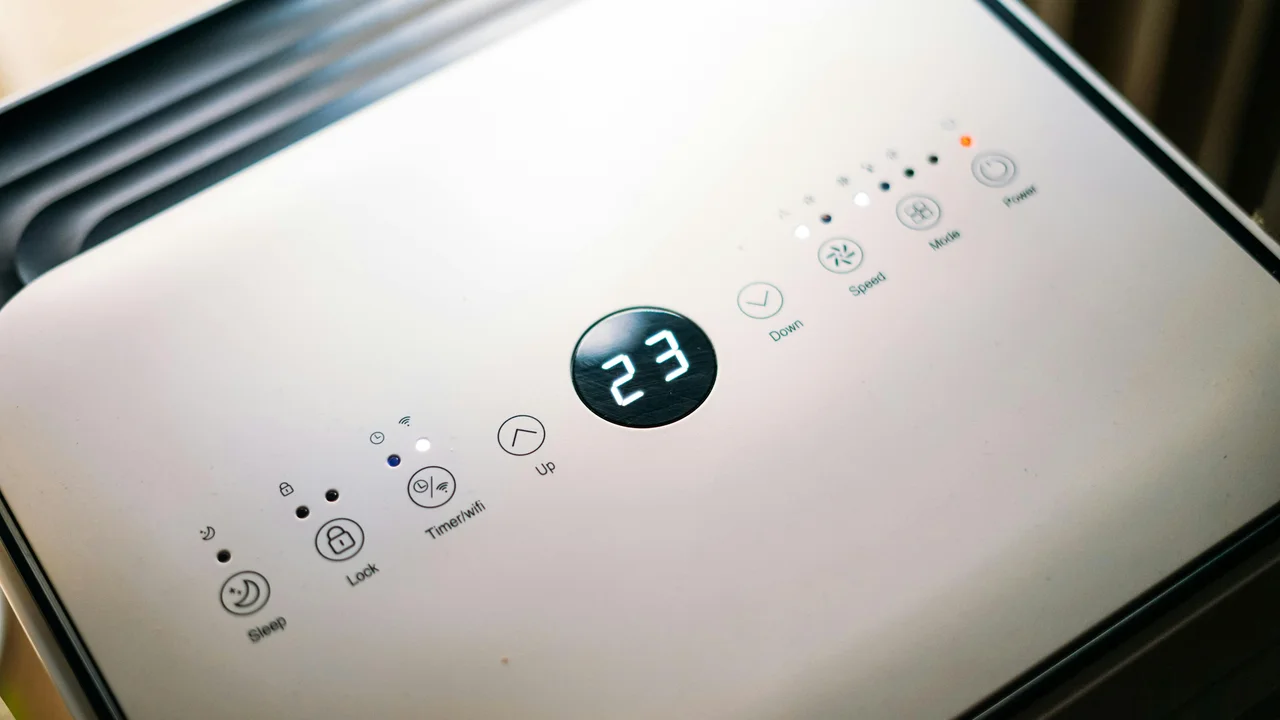
The four levers that determine whether mould returns are ventilation, heating, humidity and the building fabric itself.
Ventilate every day
Open windows wide for 5–10 minutes morning and evening — the German Stoßlüften / shock-ventilation method clears moisture-laden air without significantly cooling the building. Always run extractor fans during and for 15 minutes after cooking and showering.
Keep humidity below 60%
A cheap hygrometer is one of the most cost-effective tools you can own. Indoor relative humidity between 40% and 60% keeps mould risk low. Above 60% sustained, you have a problem brewing.
Heat consistently rather than in bursts
Cold spots on walls drive condensation. A constant low background heat (15–17°C) is more effective at preventing mould than heating intensely for short periods, and is often cheaper.
Audit the building fabric annually
Check guttering, downpipes, roof tiles, render, pointing, window seals and air vents at least once a year. Most penetrating-damp problems start with a £20 fix that wasn't done in time.
For more detail on daily ventilation habits, see our guide to shock ventilation. If you're a landlord or letting agent in Lincolnshire and want to get ahead of Awaab's Law compliance before the rules extend to private rentals, an HHSRS baseline survey is the simplest protection you can put in place.
Next Steps for Black Mould in Your Property
If black mould has already taken hold, the only sustainable fix is to diagnose the moisture source it's feeding on. Book an independent damp survey in Lincoln for a written HHSRS-compliant report identifying the cause, severity and remediation path. Our fixed pricing starts at £100+VAT for a focused mould inspection or £250+VAT for a full damp and mould survey, with no hidden extras. If you're a landlord with rented stock in Lincolnshire, the report doubles as evidence of due diligence under HHSRS, the Homes (Fitness for Human Habitation) Act, and Awaab's Law.
FAQ · Frequently Asked
Common Questions
Can I just paint over black mould?+
No. Painting over black mould without first killing the spores and addressing the moisture source will only hide the problem for a few weeks. The mould continues to grow under the paint and will bleed back through within months. Always treat the mould with a fungicidal wash, eliminate the moisture cause, and only then repaint with an anti-mould fungicidal paint.
Does white vinegar kill black mould?+
White vinegar can kill around 80% of mould species on hard, non-porous surfaces, and is a useful first-line treatment for small areas of light surface mould. It is less effective than a dedicated fungicidal biocide on porous surfaces such as plaster, grout or silicone, where the mycelium grows beneath the surface. For anything larger than a 1m² patch we recommend a proper biocidal treatment.
How long does black mould take to grow?+
Mould spores can begin to germinate within 24 to 48 hours of a surface becoming damp at room temperature. Visible black mould colonies typically establish within 7 to 10 days of sustained dampness. This is why drying-out times after a leak or flood are so critical — anything wet for longer than 48 hours is a mould risk.
Will a dehumidifier get rid of black mould?+
A dehumidifier will not remove existing mould — you still need to kill and clean the visible growth. However, by maintaining indoor relative humidity below around 60%, a dehumidifier removes the conditions mould needs to grow back. It is an excellent prevention tool, particularly in airtight modern homes where condensation is the main moisture source.
Can black mould come back after treatment?+
Yes — and it almost always will if the underlying moisture source has not been fixed. The visible mould is a symptom, not the problem. Common sources include condensation from poor ventilation, a leaking roof or gutter, a failed damp-proof course, or plumbing leaks behind walls. A professional damp survey identifies the source so the fix is permanent.
Is black mould the landlord's responsibility?+
If the mould is caused by a structural defect, disrepair, inadequate ventilation provision or a failure to keep the property fit for human habitation, it is the landlord's responsibility under Section 11 of the Landlord and Tenant Act 1985 and the Homes (Fitness for Human Habitation) Act 2018. Tenants are responsible for reasonable everyday ventilation. In practice the cause is rarely lifestyle alone, and an HHSRS-compliant survey usually establishes liability.
How dangerous is black mould?+
Black mould (most commonly Stachybotrys chartarum or Aspergillus species) produces airborne spores and mycotoxins that are linked to respiratory infections, asthma exacerbations, sinusitis, allergic rhinitis and skin irritation. Children, elderly people and those with weakened immune systems are most at risk. Awaab's Law was created precisely because prolonged mould exposure can be fatal — the death of two-year-old Awaab Ishak in 2020 was directly attributed to mould in his social housing flat.
