
Important Update
Awaab's Law came into force in October 2025 for social housing in England. Private landlords should prepare now, as similar obligations are expected to follow.
What Is Awaab's Law?
Awaab's Law is named after Awaab Ishak, a two-year-old boy who tragically died in December 2020 from a respiratory condition caused by prolonged exposure to mould in his family's housing association flat in Rochdale. The coroner ruled that Awaab's death was directly caused by the mould in his home.
Following the inquest, the UK government introduced amendments to the Social Housing (Regulation) Act 2023, creating what is now known as Awaab's Law. The legislation sets strict timeframes for landlords to respond to and address damp and mould hazards reported by their tenants.
The Key Timeframes

Awaab's Law introduces three critical deadlines that landlords must meet once a tenant reports a damp or mould issue:
10 Days
To investigate
Landlords must investigate a reported significant hazard (which includes damp and mould) within 10 working days of receiving the complaint.
24 Hours
Emergency hazards
If the hazard poses an immediate risk to health, it is classed as an emergency hazard and must be investigated and made safe within 24 hours.
5 Days
Repairs must begin
For significant hazards, the landlord must begin repair work within 5 working days of the investigation — or physically start it within 12 weeks if that isn't achievable.
Who Does This Affect?
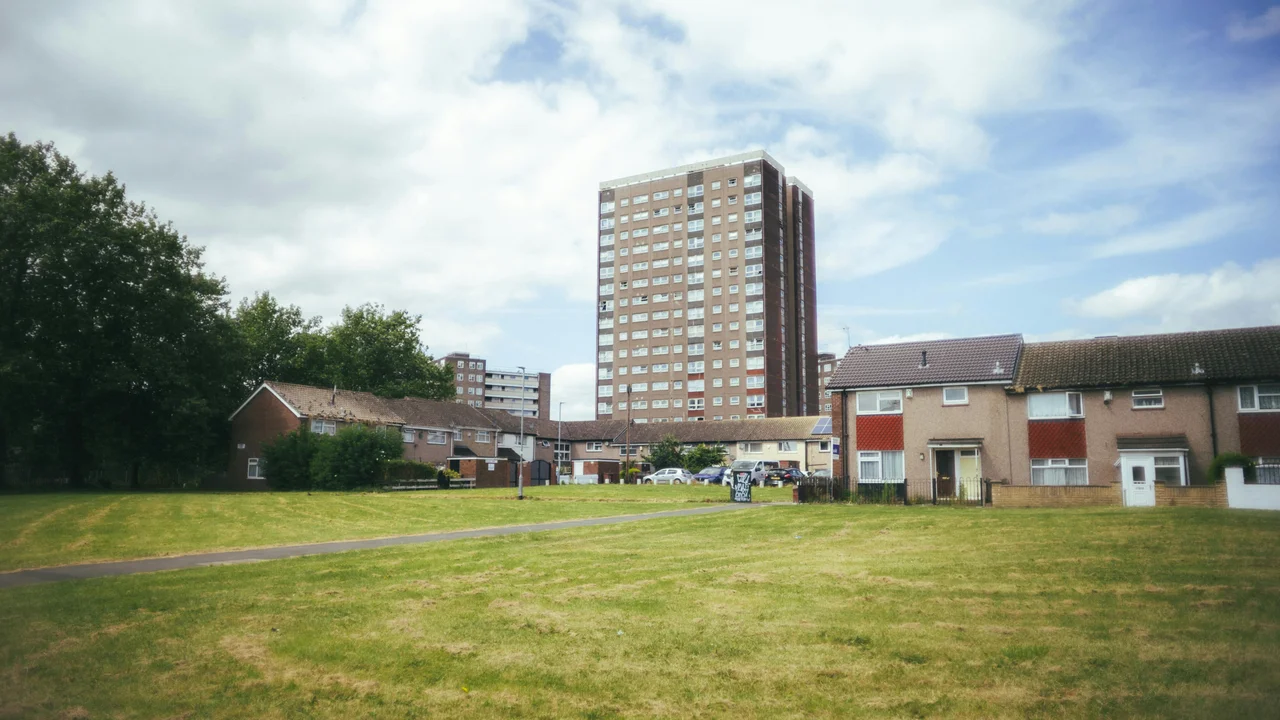
The initial phase of Awaab's Law applies to registered social housing providers in England. This includes housing associations and council-run properties. However, the government has signalled its intention to extend similar requirements to the private rented sector.
If you're a private landlord or letting agent, it is strongly advisable to begin operating as though these rules already apply to you. The Housing Health and Safety Rating System (HHSRS) already places legal obligations on all landlords to maintain safe living conditions, and local authorities can — and do — take enforcement action for damp and mould under existing legislation.
What Happens If You Don't Comply?
The penalties for non-compliance are severe. Local authorities can issue improvement notices, prohibition orders, and financial penalties. In the most serious cases, landlords can face:
- Unlimited fines through the courts for the most serious offences
- Civil penalties of up to £30,000 per offence issued by local authorities
- Rent Repayment Orders requiring repayment of up to 12 months' rent
- Banning orders preventing them from letting properties
- Criminal prosecution in cases of serious neglect
How to Protect Yourself as a Landlord

The best way to protect yourself, your tenants, and your property investment is to take a proactive approach. Here are the steps we recommend:
Get a professional survey done
A baseline damp and mould assessment gives you documented evidence of the property's condition. If a complaint is raised later, you can demonstrate you were already aware and taking action.
Respond to complaints immediately
Never ignore a tenant's report of damp or mould. Even acknowledging the issue in writing starts the clock in your favour and shows willingness to act.
Keep detailed records
Document every communication, inspection, and repair. Photographs, receipts, and written reports are your best defence against any future claim.
Fix the root cause, not just the symptoms
Painting over mould or wiping it away is not a repair. You need to address the underlying cause — whether that's condensation, a leak, poor ventilation, or rising damp.
Get an HHSRS-compliant report
Our comprehensive damp and mould reports are designed to meet HHSRS requirements and provide the documentation that local authorities, courts, and housing ombudsmen expect to see.
How The Damp & Mould Man Can Help
We provide HHSRS-compliant damp and mould inspections that give landlords and letting agents the documentation they need to demonstrate compliance. Our comprehensive reports include thermal imaging, moisture mapping, mould species identification, and detailed remediation recommendations.
If remediation work is needed, our sister company LWR Group can carry out the necessary repairs — giving you a complete, end-to-end solution from inspection through to resolution.
FAQ · Frequently Asked
Common Questions
What is Awaab's Law?+
Awaab's Law is named after Awaab Ishak, a two-year-old boy who died in December 2020 from a respiratory condition caused by prolonged mould exposure in his family's Rochdale housing association flat. Following the inquest, the government amended the Social Housing (Regulation) Act 2023 to set strict statutory timeframes for landlords to investigate and fix reported damp and mould hazards.
What are the key Awaab's Law timeframes?+
Landlords must begin investigating a reported hazard within 14 calendar days, start emergency repairs within 7 calendar days where there's an immediate risk to health, and begin non-emergency repairs within 28 calendar days of the investigation.
Does Awaab's Law apply to private landlords yet?+
Not yet. The current phase applies to registered social housing providers in England — housing associations and council-run properties. The Renters' Rights Act 2025 gives government the power to extend equivalent duties to private landlords, but as things stand no commencement date has been confirmed. Private landlords are still bound by HHSRS obligations under the Housing Act 2004 regardless, and getting ahead of the extension now is strongly advisable.
What happens if a landlord doesn't comply with Awaab's Law?+
Local authorities can issue improvement notices, prohibition orders and civil penalties of up to £30,000 per offence. The most serious cases can bring unlimited court fines, Rent Repayment Orders of up to 12 months' rent, banning orders, and criminal prosecution for serious neglect.
How can landlords protect themselves ahead of Awaab's Law?+
Get a professional baseline survey done so you have documented evidence of the property's condition, respond to every complaint in writing immediately, keep detailed records of every communication and repair, fix the root cause rather than painting over symptoms, and get an HHSRS-compliant report that stands up to scrutiny from courts or the ombudsman.
