Damp proof membranes (DPMs) are one of the most important — and most misunderstood — elements of damp-proofing in UK buildings. Whether you're dealing with rising damp in an older property or damp-proofing a new build, understanding how DPMs work will help you make informed decisions about protecting your home.
What Is a Damp Proof Membrane?
A damp proof membrane is a waterproof material used to prevent moisture from passing through floors and walls. In most UK construction, DPMs are polyethylene (polythene) sheets laid beneath or within the structure to create an impermeable barrier against ground moisture.
DPMs are different from damp proof courses (DPCs), though the two work together. A DPC is a horizontal barrier built into the walls — usually a strip of slate, bitumen, or plastic — while a DPM typically covers the floor area. Together, they form a continuous barrier against rising moisture from the ground.
Types of Damp Proof Membrane

There are several types of DPM used in UK construction, each suited to different situations:
Polyethylene sheet (1200 gauge)
The most common type. A thick plastic sheet laid beneath a concrete floor slab or screed. It must be lapped and sealed at joints to maintain a continuous barrier. This is the standard for new-build ground floors.
Liquid-applied DPM
A bitumen or epoxy-based coating painted directly onto an existing concrete floor. Often used in refurbishment projects where lifting the floor isn't practical. It cures to form a seamless, bonded membrane.
Self-adhesive membranes
Pre-formed sheets with an adhesive backing. These are typically used on walls in basement and cellar conversions (tanking) and provide both damp-proofing and a surface for plaster or dry-lining.
Cavity drain membranes (egg-crate / studded)
HDPE membranes with raised studs that create an air gap between the membrane and the wall or floor. Rather than blocking moisture, they manage it by allowing water to drain to a sump pump. Common in basement waterproofing.
When Do You Need a DPM?
You might need a damp proof membrane if:
- You're building a new property or extension with a ground-bearing concrete floor
- You're renovating an older property that has no existing damp-proofing in the floor
- You're converting a cellar or basement into a habitable space
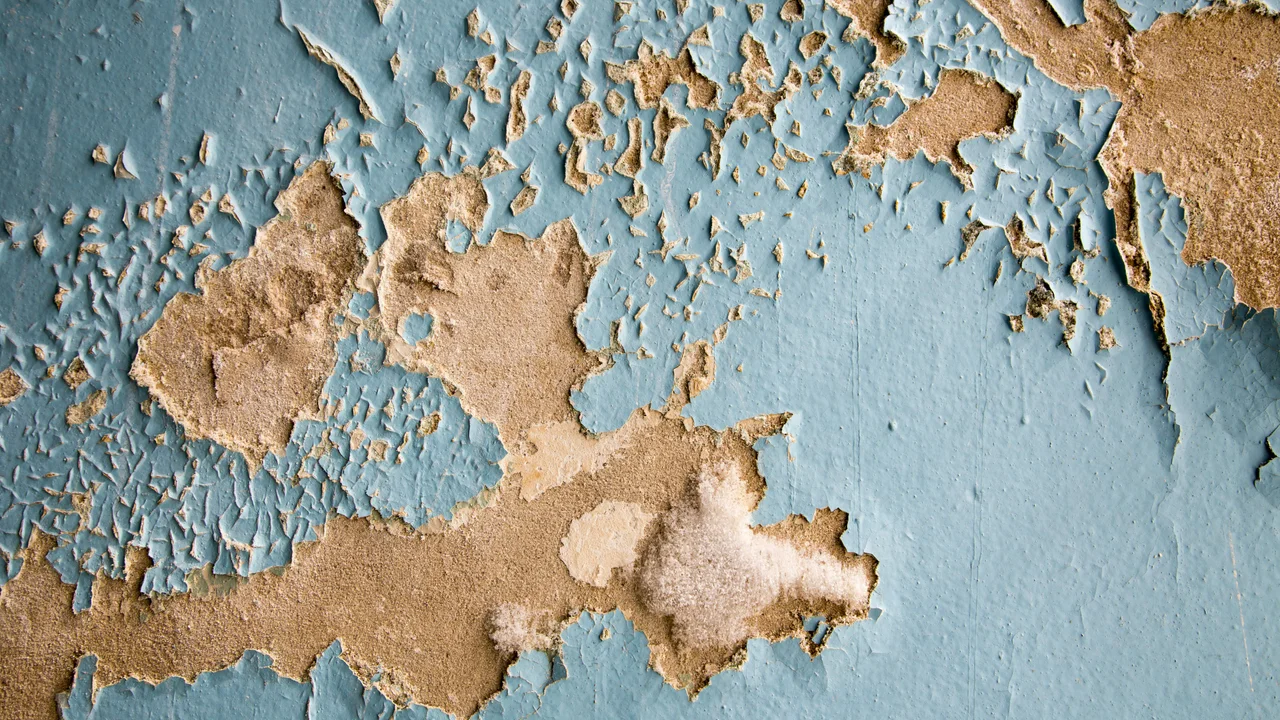
- You have rising damp symptoms: tide marks, salt deposits, or peeling paint at ground level
- You're laying a new floor over an existing slab that shows signs of moisture
- A damp surveyor has identified that ground moisture is migrating through the floor
Common Problems with DPMs
When a damp proof membrane fails or is incorrectly installed, it can cause significant problems. The most common issues we encounter during our surveys include:
Laps not sealed
If the sheets overlap but aren't taped or welded, moisture can wick through the gaps. Even a small unsealed joint can allow enough moisture through to cause problems.
DPM punctured during construction
Heavy foot traffic, dropped tools, or reinforcement bars can puncture the membrane during the build. Once concrete is poured over a damaged DPM, the damage is hidden but the damp problem emerges over time.
No connection to the DPC
The floor DPM and wall DPC must overlap or connect to form a continuous barrier. If there's a gap between the two, moisture can bridge across and rise into walls or the floor screed.
Absent entirely in older properties
Many properties built before the 1960s have solid floors with no DPM at all. These floors allow ground moisture to pass freely through the concrete, causing persistent dampness at ground level.
How We Can Help
If you suspect you have a damp problem related to a missing or failed damp proof membrane, a professional damp survey is the first step. Our surveys use moisture meters and thermal imaging to identify exactly where moisture is entering the property and whether the existing damp-proofing (if any) is functioning correctly.
We provide clear, jargon-free reports that explain the problem, identify the cause, and recommend the most appropriate solution. If remediation work is needed, our sister company LWR Group can carry out the necessary repairs, ensuring everything is done to the correct standard.
FAQ · Frequently Asked
Common Questions
What's the difference between a DPM and a DPC?+
A damp proof membrane (DPM) is a waterproof barrier — usually polyethylene sheet — laid beneath or within a floor to block ground moisture. A damp proof course (DPC) is a horizontal barrier built into walls, typically slate, bitumen or plastic. The two work together: the DPM covers the floor, the DPC covers the walls, and they must connect to form a continuous barrier.
What types of damp proof membrane are there?+
The main types are polyethylene sheet (the standard for new-build floors), liquid-applied bitumen or epoxy coatings (common in refurbishments), self-adhesive membranes (used for basement tanking), and cavity drain membranes with raised studs that manage water via a sump pump rather than blocking it outright.
Do older properties have a damp proof membrane?+
Often not. Many UK properties built before the 1960s have solid floors with no DPM at all, which lets ground moisture pass freely through the concrete and causes persistent dampness at ground level.
What causes a damp proof membrane to fail?+
The most common causes are unsealed laps where sheets overlap without being taped or welded, punctures during construction that get hidden once concrete is poured, a missing connection between the floor DPM and the wall DPC, or simply no DPM being present in an older property.
How do I know if I need a new damp proof membrane?+
Likely triggers include building a new extension with a ground-bearing concrete floor, renovating a property with no existing floor damp-proofing, converting a cellar or basement, seeing rising damp symptoms like tide marks or salt deposits, or a surveyor confirming ground moisture is migrating through the floor.
