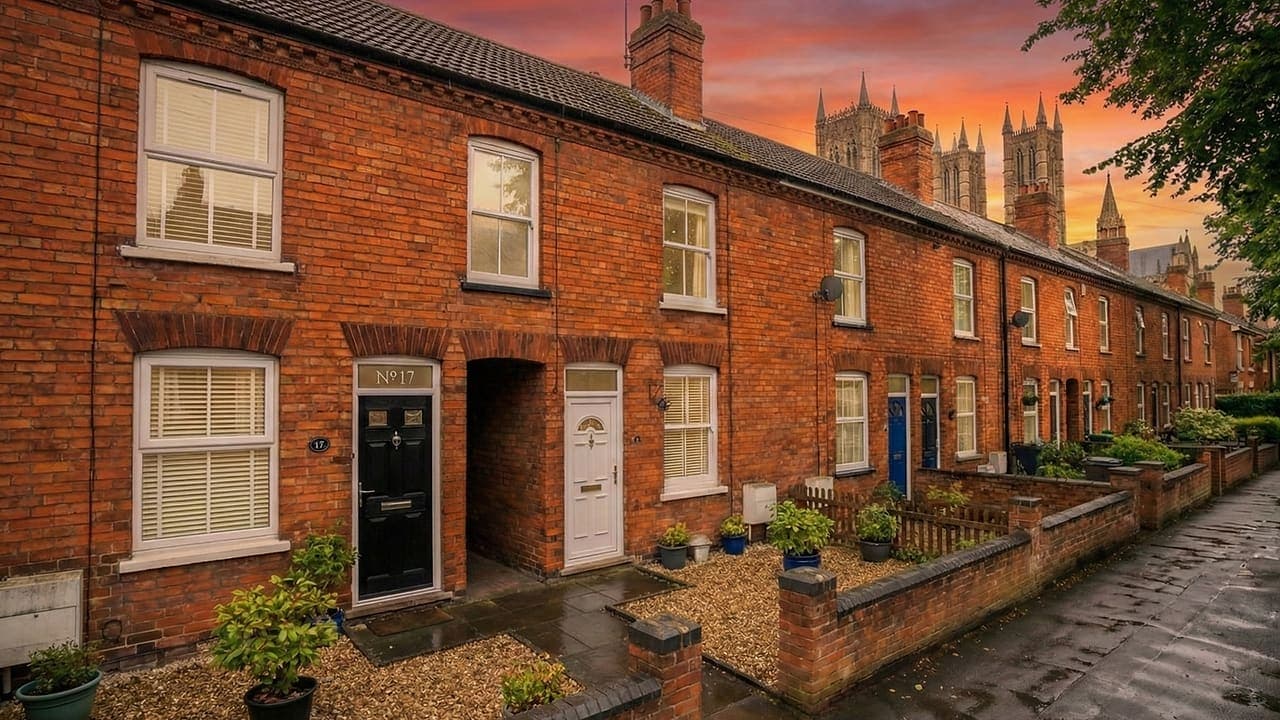
PeriodPropertyDamp.
Period buildings need period-correct thinking. Specialist damp surveys for Victorian, Georgian, and listed properties across Lincolnshire — with breathable, conservation-compliant solutions.
Why period properties are different.
CASE BACKGROUND
Period buildings were built to breathe. Lime mortar, lime render, and lime plaster let moisture move in and out of the wall harmlessly. Sealing them with modern cement or gypsum causes the exact damp problems they're meant to prevent.
Surveyors without period-property experience often misdiagnose lime-related issues as rising damp, prescribing expensive and incorrect chemical DPC injections that cause further damage.
Our surveys interpret moisture data with traditional-construction knowledge, recommend breathable solutions, and meet the requirements of conservation officers where listed buildings are involved.
Common issues in Lincolnshire period property.
Hygroscopic salts in plaster
Decades of rising damp leave residual salts in lime plaster. Moisture readings can mislead if not interpreted with period-property knowledge.
Failed bitumen DPC
Bitumen DPCs from the 1920s onwards often fail or are bridged by raised external ground levels.
Solid walls and cold bridges
9-inch solid walls are colder than cavity walls — condensation forms readily on internal surfaces, mimicking rising damp.
Breathability issues
Modern cement renders, plasters, and masonry paints trap moisture in traditional walls. Lime must be restored.
Timber decay in joists
Suspended timber floors with poor sub-floor ventilation can develop wet rot, dry rot, or woodworm.
Chimney breast damp
Disused chimneys with blocked flues trap moisture. Staining on chimney breasts is often misdiagnosed.
Our approach.
SURVEY METHODOLOGY
- Moisture interpretation that distinguishes residual salts from active damp
- Breathable lime-based remediation specified where appropriate
- Conservation-officer compatible reports for listed properties
- Thermal imaging to identify cold bridges vs. true moisture sources
- Recommendations that preserve historic fabric where possible
- Partnership with LWR Group trades experienced in period work
LISTED BUILDINGS · CONSERVATION
Listed Building Sensitive
Our reports are written to support Listed Building Consent applications and work collaboratively with local authority conservation officers across Lincolnshire.
Book a surveyClear pricing for Lincolnshire.
Mould Report from £100+VAT. Damp & Mould Survey from £250+VAT. Fixed prices, no hidden extras.
SURVEY.01
Mould Report
Focused mould assessment for homeowners and tenants.
- Visual mould inspection
- Relative humidity levels
- Cause identification
- Written summary report
- HHSRS-compliant written report
- Remediation advice
- Photo documentation
- Moisture readings
- Thermal imaging
- Air quality testing
- Species identification
SURVEY.02
Damp & Mould Survey
HHSRS-compliant inspection with detailed written report.
- Full property inspection
- Relative humidity readings
- Surface moisture levels
- Thermal imaging survey
- Mould species identification
- Root cause analysis
- HHSRS hazard rating
- Photographic evidence
- Remediation recommendations
- Compliance documentation
- Digital report 48-72 hours after survey
- Remedial works if required via LWR
- Moisture mapping
- Air quality testing
- Follow-up consultation
Four promises
in writing.
Hiring a damp surveyor is a trust exercise. Here's what we commit to — every time.
Report Accuracy Guaranteed
If our report misses any material damp or mould issue identifiable at inspection, we'll return and re-inspect free of charge — and refund the survey fee.
Upfront, Published Pricing
£100+VAT for a mould survey. £250+VAT for a comprehensive report. Fixed pricing, no hidden extras, no surprises.
48-72 Hour Report Turnaround
Your written, HHSRS-compliant report delivered within 48-72 hours of inspection — or 24 hours urgent on request.
LWR Group Workmanship Warranty
If you choose our sister company LWR Group for remediation, the work is backed by a written workmanship guarantee.
Period property damp, answered.
Older properties were built to breathe — solid walls, lime mortar and plaster let moisture move in and out. Problems usually start when modern impermeable materials (cement render, gypsum plaster, plastic paints) trap moisture in the wall, or when a damp-proof course is absent, failed or bridged. Correct diagnosis matters because the wrong treatment can make a period property worse.
Yes, but sympathetically. Listed and period buildings need breathable, reversible repairs — lime plaster and render rather than cement, and root-cause fixes rather than blanket chemical injection. Our survey identifies the actual cause so the remediation respects the building fabric. Listed building consent may be required for certain works.
Genuine rising damp is less common than people assume — much suspected rising damp in period homes is actually penetrating damp, condensation, or salt-contaminated plaster left from a previous problem. That is exactly why a forensic survey is worth it: it stops you spending on a chemical damp-proof course when the real issue is a leaking gutter or bridged DPC.
Generally yes. Solid-wall period properties manage moisture by letting it evaporate. Breathable lime plaster, lime render and mineral or clay paints work with the building; cement and plastic finishes trap moisture and push it elsewhere. Our report specifies materials appropriate to the construction.
Often, yes. Works affecting the character of a listed building can require listed building consent from your local authority. We flag where consent is likely to be needed in the report so you can plan the works correctly. Always check with your conservation officer before starting.
Period Property Reading
Guides for Period & Heritage Buildings
Damp & Mould Guide
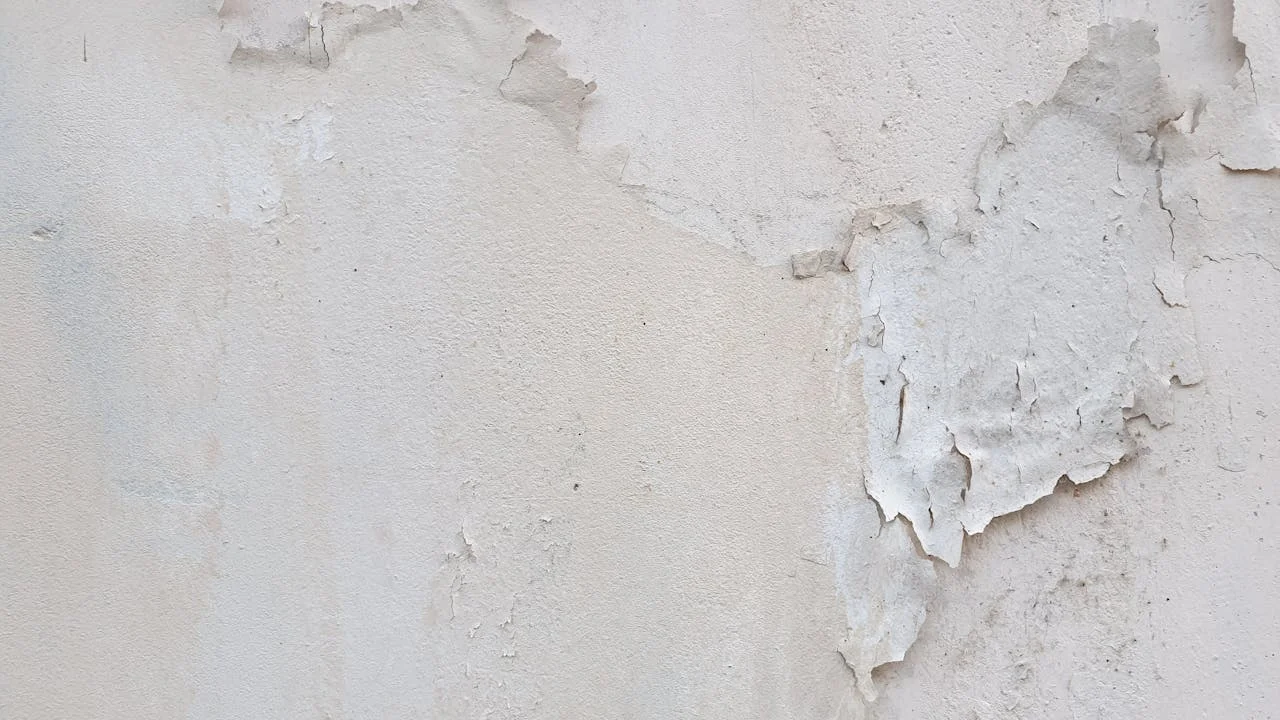
Rising vs Penetrating vs Condensation Damp — How to Tell the Difference
The three main causes of damp in UK homes look similar but require completely different treatments. Learn how to spot each one.
Read guide
Damp & Mould Guide
Damp Proof Membranes: A Complete Guide
Everything you need to know about damp proof membranes — how they work, when you need one, and how they're installed.
Read guide
Damp & Mould Guide
How Much Does a Damp Survey Cost in the UK? (2026 Guide)
Prices range from free quotes to £600+ depending on the provider. Here's what you should actually pay — and how to avoid overpaying.
Read guide