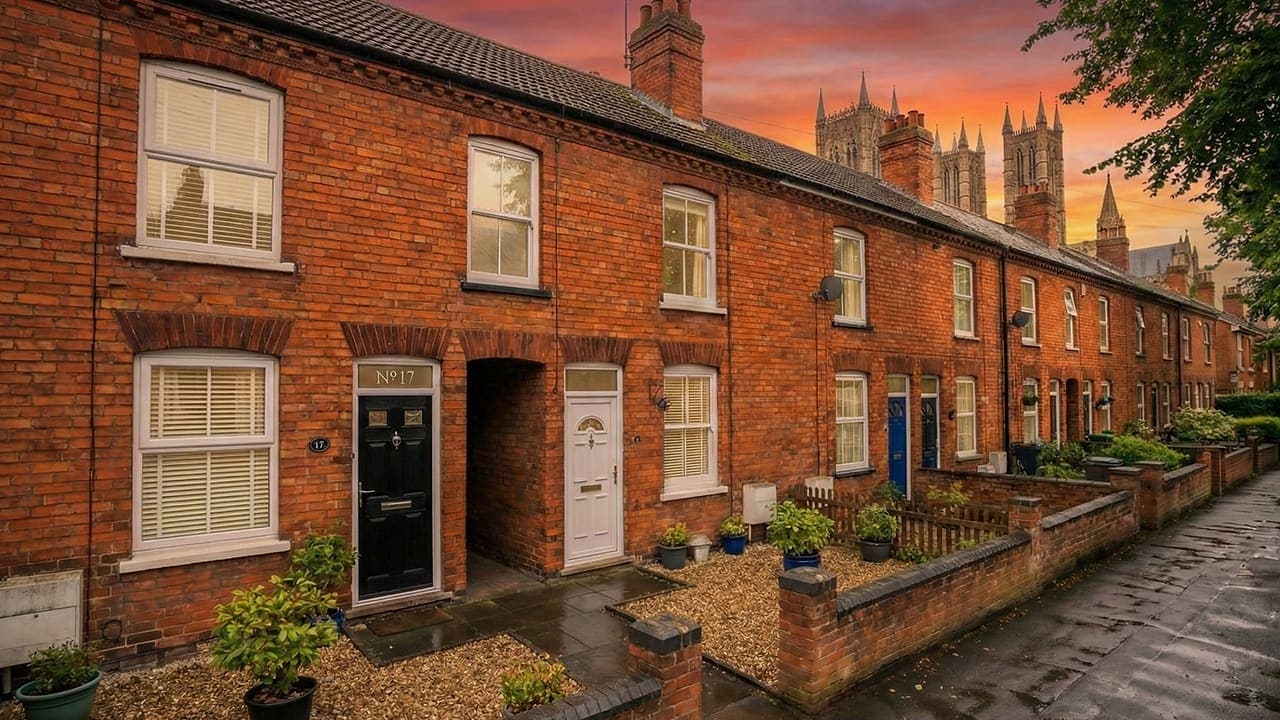
Rising DampTreatmentLincoln.
Rising damp is one of the most over-diagnosed problems in older Lincoln homes. Our damp survey confirms it properly with moisture readings and visible salt marks, from £250+VAT, before any chemical DPC injection is carried out by LWR Group.
What are the signs of rising damp?
Genuine rising damp is rarer than you'd think.
Condensation forming on a cold wall produces damp patches and mould at low level too — and it's far more common than a genuinely failed damp-proof course. The two need completely different treatments: an injected chemical DPC does nothing for condensation, so if that's misdiagnosed as rising damp, the money is wasted and the damp comes straight back.
That's why our survey looks at moisture readings and any visible salt marks rather than a single meter reading, and why we tell you honestly when the answer is better condensation control instead of damp proofing.
Why untreated rising damp gets worse.
Genuine rising damp gets worse the longer it's ignored, and painting over the symptoms — or treating condensation as if it were rising damp — just delays the real fix while the underlying problem keeps spreading. Read our guide on the true cost of ignoring damp and mould for the numbers behind this.
Salt contamination spreads
Hygroscopic salts left behind by rising groundwater keep drawing moisture from the air long after the wall itself would otherwise dry, so the contaminated band creeps higher the longer it's left.
Timber decay at low level
Skirting boards, timber floor joists and door frames sitting in a persistently damp wall are at risk of wet rot, which is far more expensive to put right than the original damp-proofing job would have been.
Plaster failure keeps recurring
Painting or replastering over a wall without treating the cause buys a few months at most — the salts pull moisture straight back through the new finish and the same blown, crumbling plaster returns.
Compliance and disrepair risk
For rented property, an ignored damp complaint that turns out to be genuine rising damp is exactly the kind of case that ends up as a tenant disrepair claim or an HHSRS Category 1 hazard — see our guide to the true cost of ignoring mould.
How we diagnose and treat it.
Visual inspection
We check the height and pattern of staining, condition of the existing damp-proof course, and external ground levels bridging the DPC — a common false-positive cause.
Moisture readings & salt marks
Moisture readings on the affected walls, and any salt marks (efflorescence) we can see, are noted. That combination is what helps distinguish rising damp from condensation, not a single reading against a skirting board alone.
Chemical DPC injection
Where rising damp is confirmed, LWR Group injects a chemical damp-proof course into the mortar bed, forming a new moisture barrier at low level.
Salt-resistant replaster
Contaminated plaster is stripped back and replaced with a salt-resistant render before redecoration, since old plaster stays hygroscopic even once the wall has dried.
Rising damp treatment across Lincolnshire.
Rising damp, answered.
With moisture readings on the affected walls, and any salt marks (efflorescence) we can see noted alongside them. Hygroscopic salts left behind as groundwater evaporates are the signature of genuine rising damp, and condensation gives a different pattern and doesn't leave the same salt contamination, which is why a single moisture-meter reading against a skirting board is not enough on its own.
Usually a failed, bridged, or entirely missing damp-proof course. Many older Lincoln terraces and cottages were built with a slate or bitumen DPC that has since failed, while raised external ground levels, path resurfacing or flower beds against a wall can bridge an otherwise sound DPC and let moisture in above it.
It depends on the length of affected wall and the amount of replastering needed. Every job starts with an independent survey from £250+VAT to confirm the diagnosis, then LWR Group provides a fixed price for the chemical DPC injection and making-good works.
Yes, often. Condensation forming on cold, poorly ventilated walls is regularly mistaken for rising damp because both cause damp patches and mould at low level. Treating condensation with a chemical DPC does nothing, because there was no rising groundwater to block, which is why moisture readings and any visible salt marks matter before any treatment is quoted.
We assess this as part of the survey. In listed or period properties with solid, breathable walls, an injected chemical DPC combined with modern cement-based renders can trap moisture rather than release it — sometimes a lime-based, moisture-permeable repair is the more appropriate fix. We'll flag this before recommending treatment.
The new plaster can typically be redecorated within a few weeks, since we use a salt-resistant render that doesn't need to wait for the wall to fully dry out. Full drying of the wall structure itself can take several months depending on thickness and ventilation, but this happens behind the new plaster.
Before You Book
Read up on damp
Damp & Mould Guide
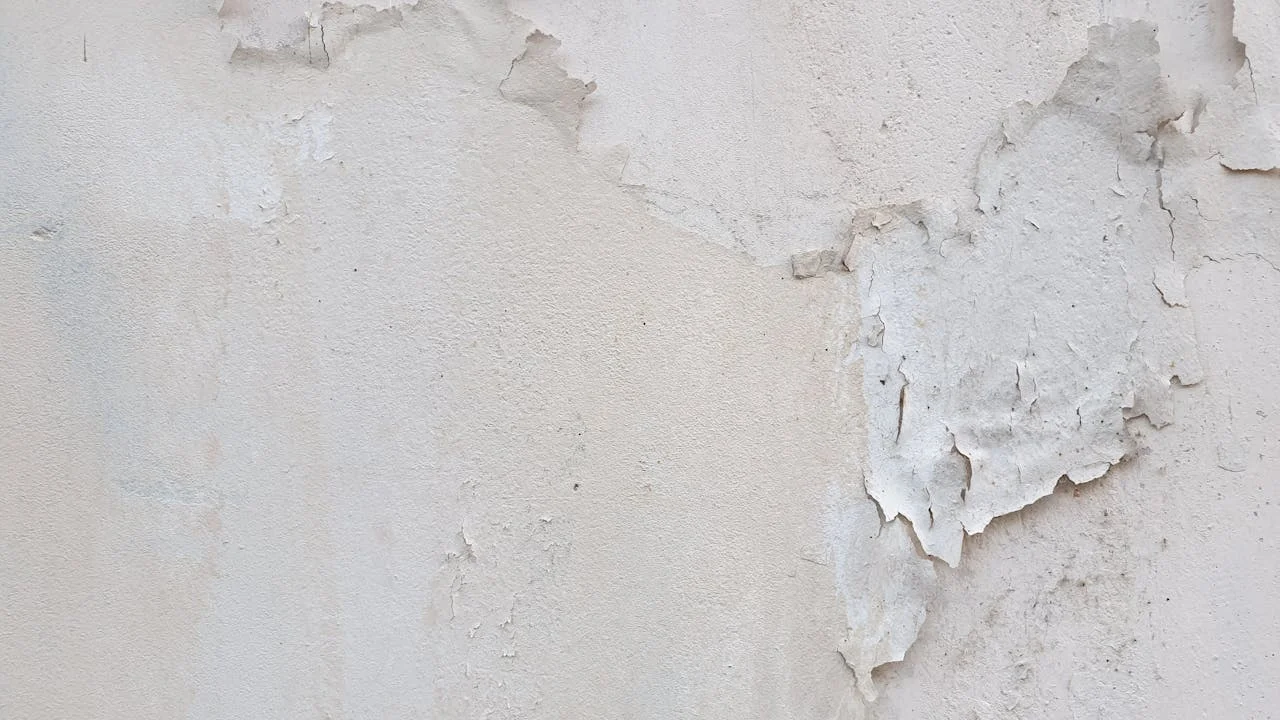
Rising vs Penetrating vs Condensation Damp — How to Tell the Difference
The three main causes of damp in UK homes look similar but require completely different treatments. Learn how to spot each one.
Read guide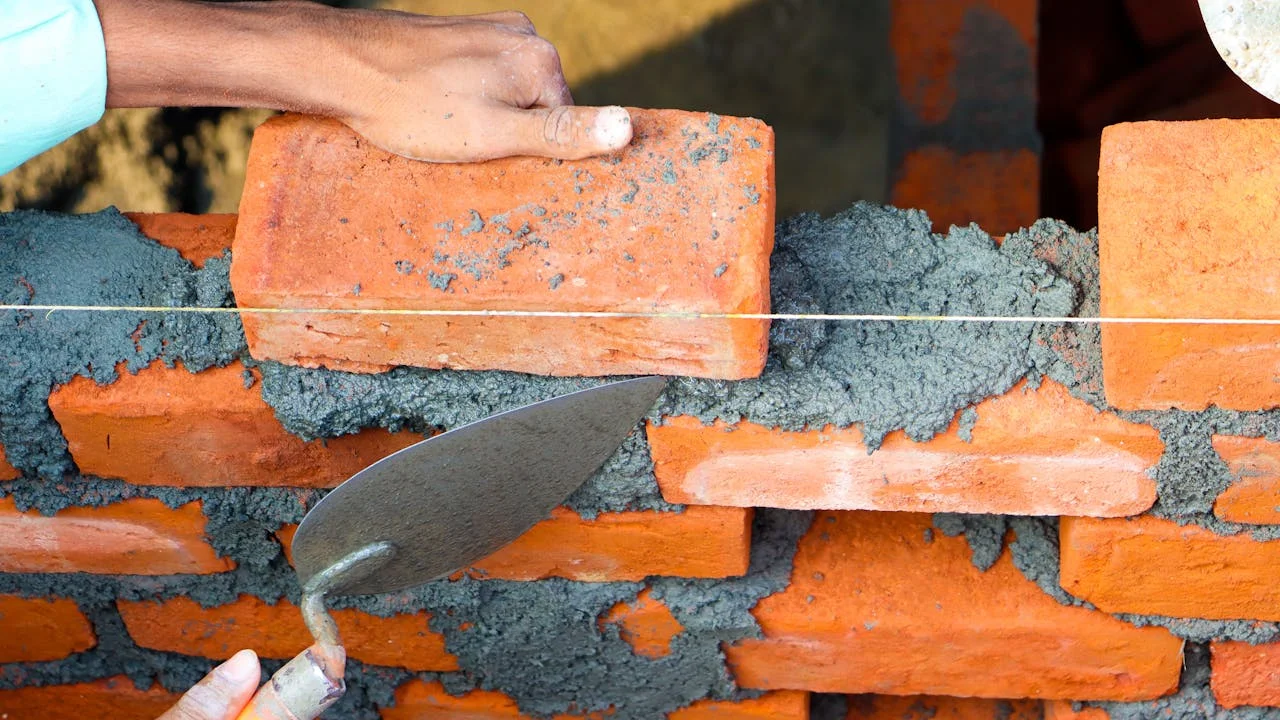
Damp & Mould Guide
Damp Proof Membranes: A Complete Guide
Everything you need to know about damp proof membranes — how they work, when you need one, and how they're installed.
Read guide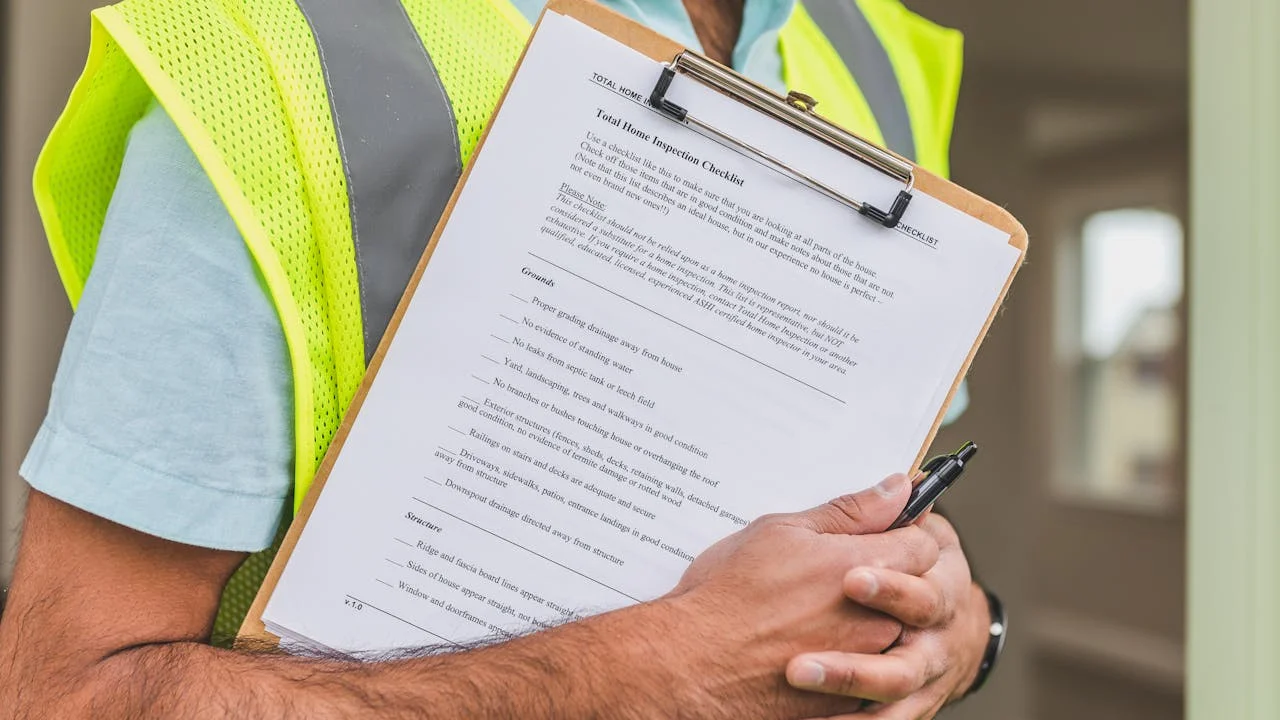
Damp & Mould Guide
How Much Does a Damp Survey Cost in the UK? (2026 Guide)
Prices range from free quotes to £600+ depending on the provider. Here's what you should actually pay — and how to avoid overpaying.
Read guideDamp & Mould Guide
Overgrown Gardens, Ivy and Blocked Gutters: The Outside Causes of Damp
Damp often starts outside — overgrown planting, ivy, and blocked gutters can all push moisture into a wall long before it shows up indoors.
Read guide