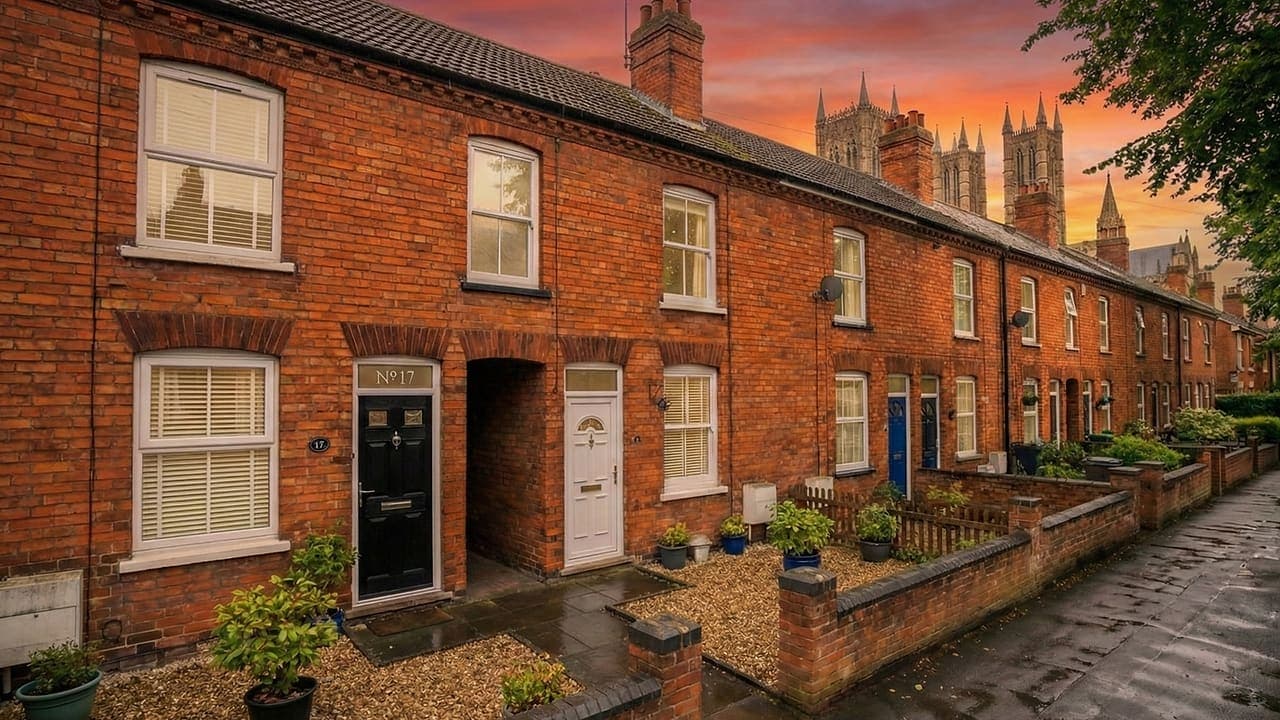
Professional MouldRemoval ServicesLincoln.
We don't just survey the problem — through our sister company LWR Group we can carry out the remediation too. One team to diagnose, remove and prevent mould at its source, with an HHSRS-compliant report behind every job.
What is mould remediation?
Mould remediation is the complete process of getting rid of mould properly — not just wiping the visible bloom off a wall. Professional mould remediation diagnoses the moisture source, removes and treats the mould, repairs the affected fabric and then prevents it from coming back.
That last part is what separates remediation from a quick clean. Mould is the visible symptom of a moisture problem the property has been losing for weeks or months. If the moisture source is not fixed, the mould simply regrows. Effective mould remediation always starts with finding out why the mould is there.
As a FODSC certified mould specialist covering Lincoln and Lincolnshire, we diagnose with the same forensic survey we use for our mould reports and damp surveys, then carry out the remediation through LWR Group — one team from diagnosis to fix.
When do you need professional mould removal?
Our mould removal process.
Survey and diagnose the source
Every mould removal job starts with diagnosis. We trace the moisture feeding the mould — condensation, a leak, penetrating or rising damp — because cleaning mould without fixing the source just delays its return.
Contain the affected area
We isolate the work area to stop spores spreading to clean rooms during removal, protecting the rest of the property and its occupants.
Remove and treat the mould
Visible mould is removed and the surface treated with professional fungicidal biocides that kill the mycelium beneath the surface, not just the bloom you can see.
Dry and repair the fabric
The affected fabric is dried to a measured safe moisture level, then any blown plaster, perished sealant or damaged finishes are repaired through our LWR Group works team.
Prevent it coming back
We fix the root cause and improve ventilation, insulation or drainage as needed, then re-check moisture levels so the mould does not simply regrow.
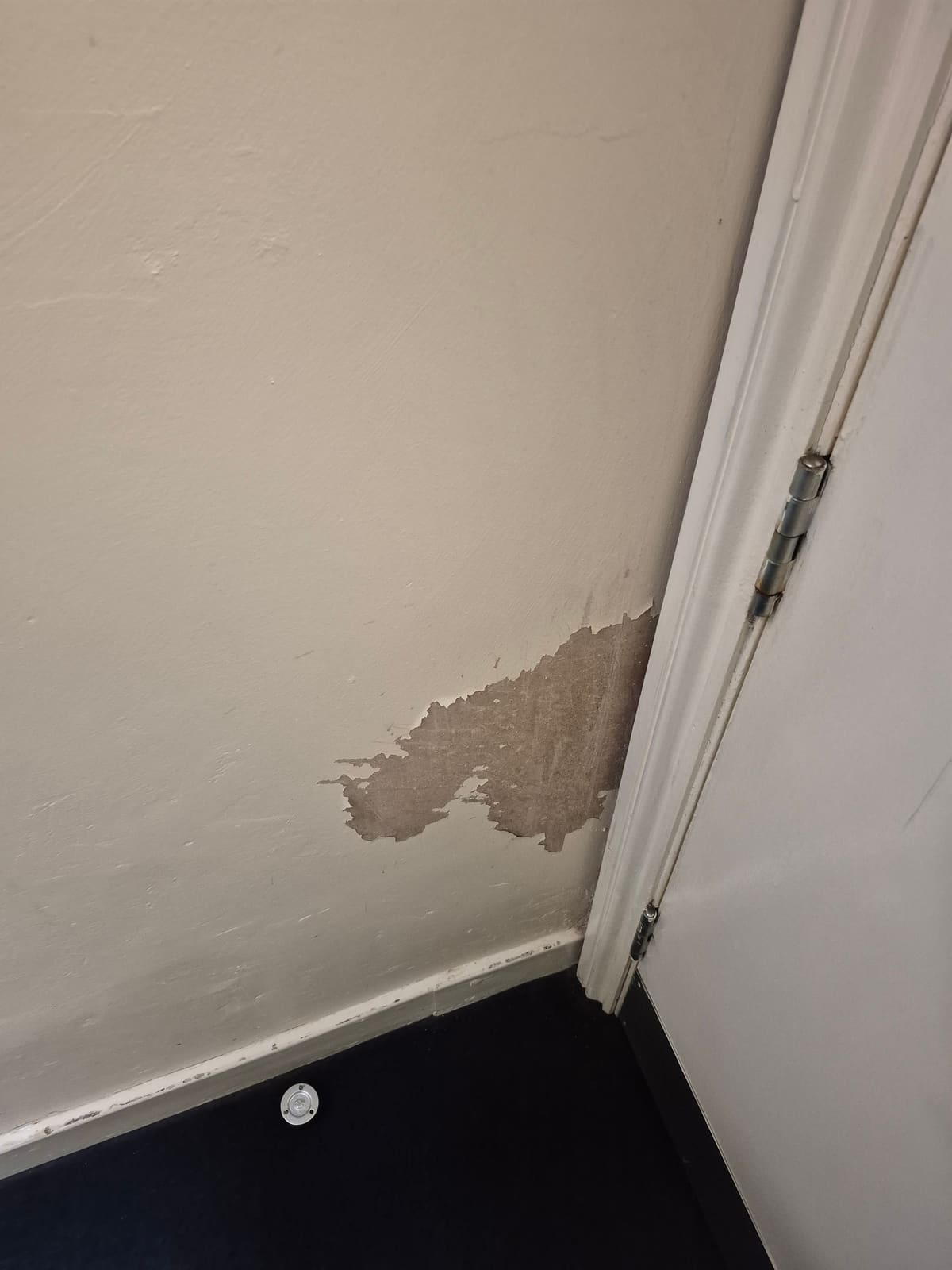
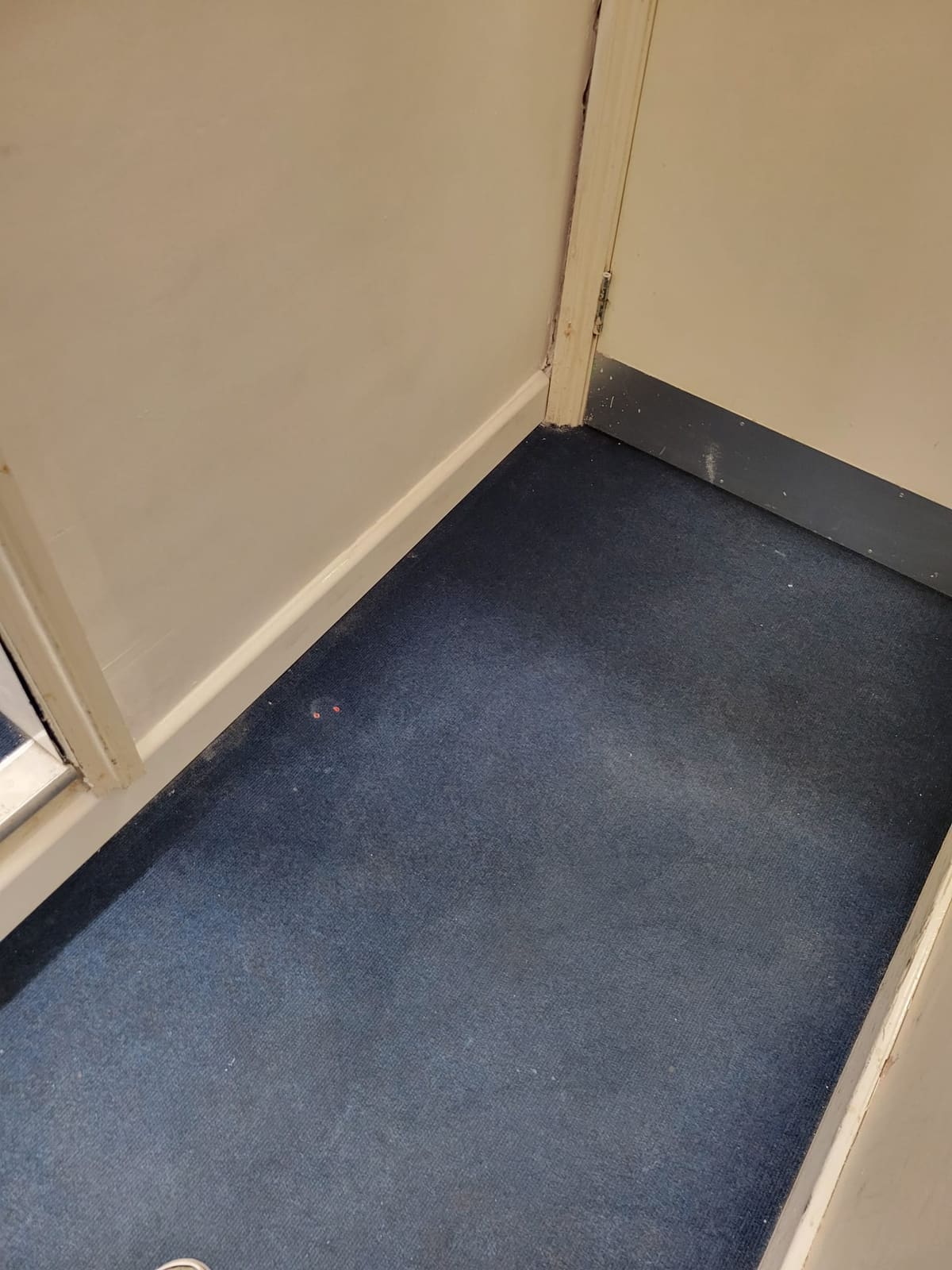
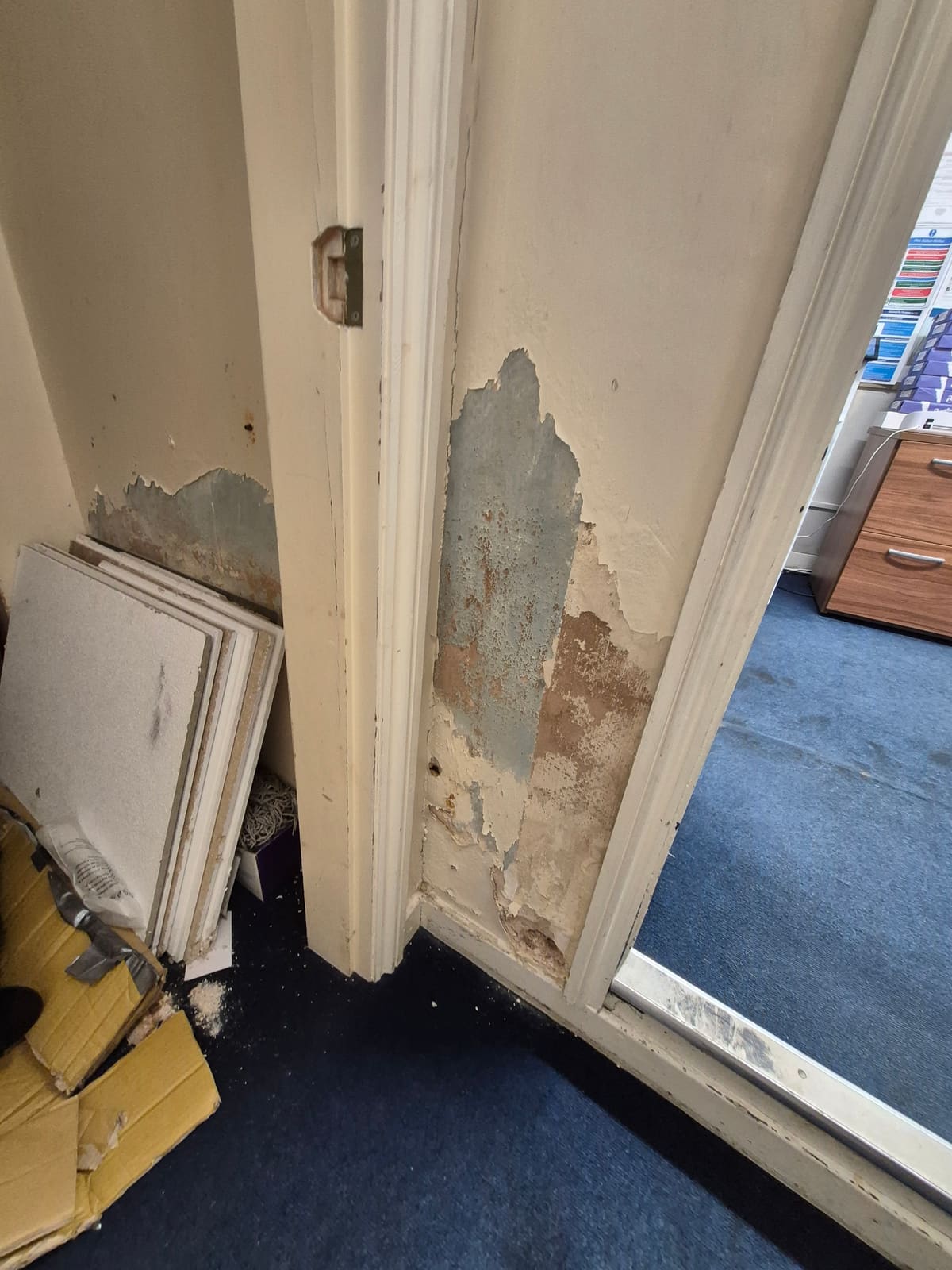
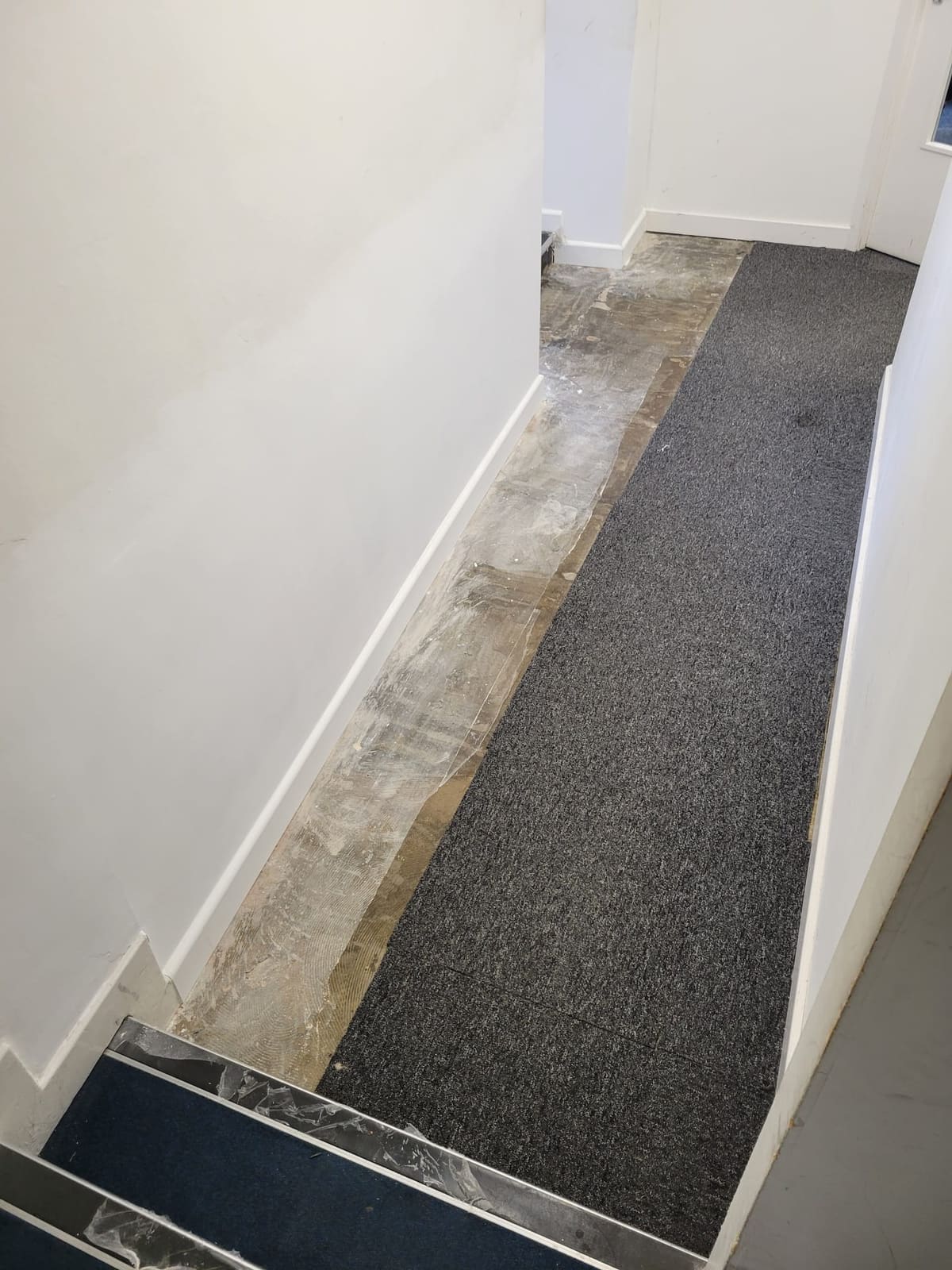
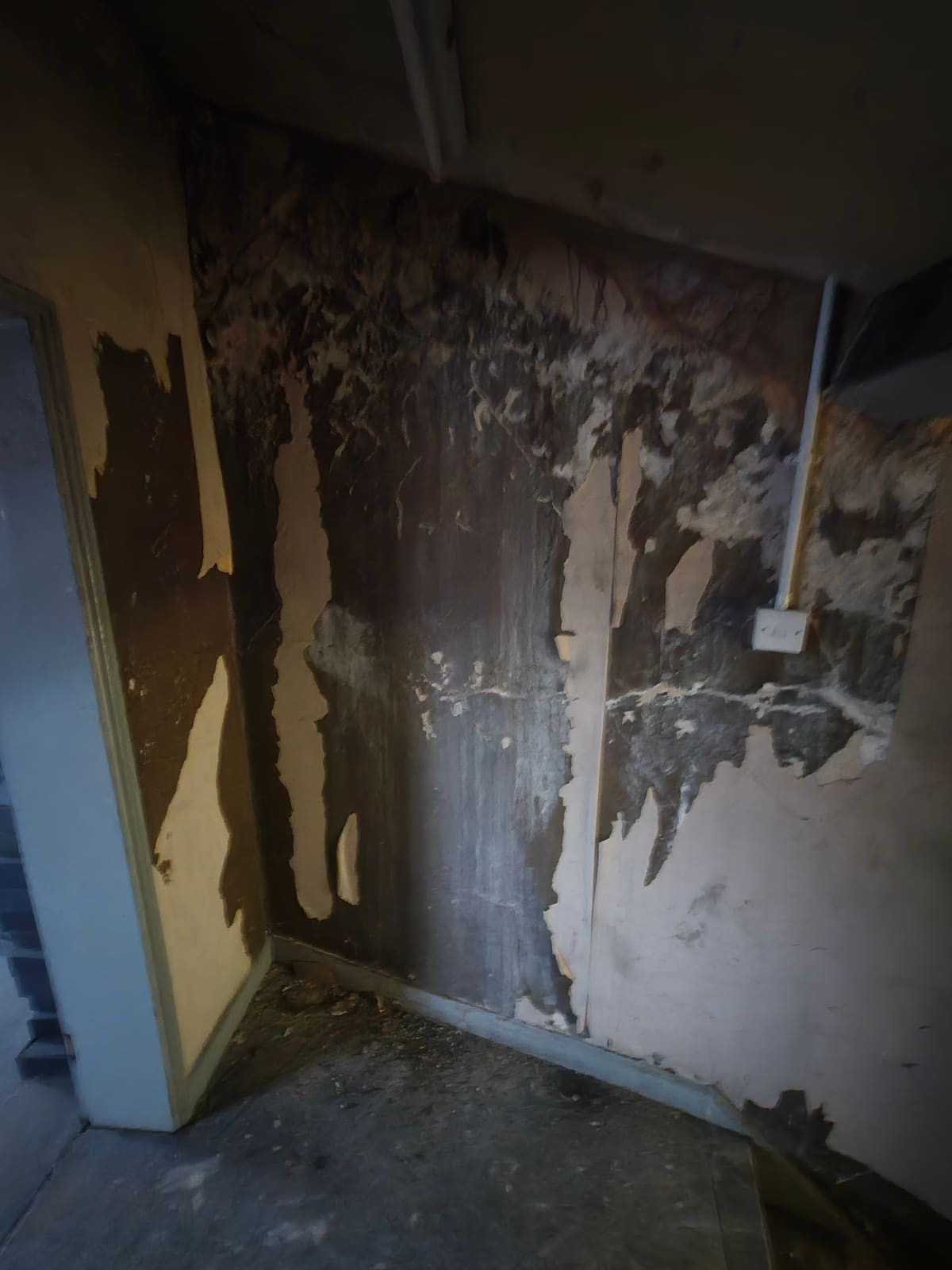
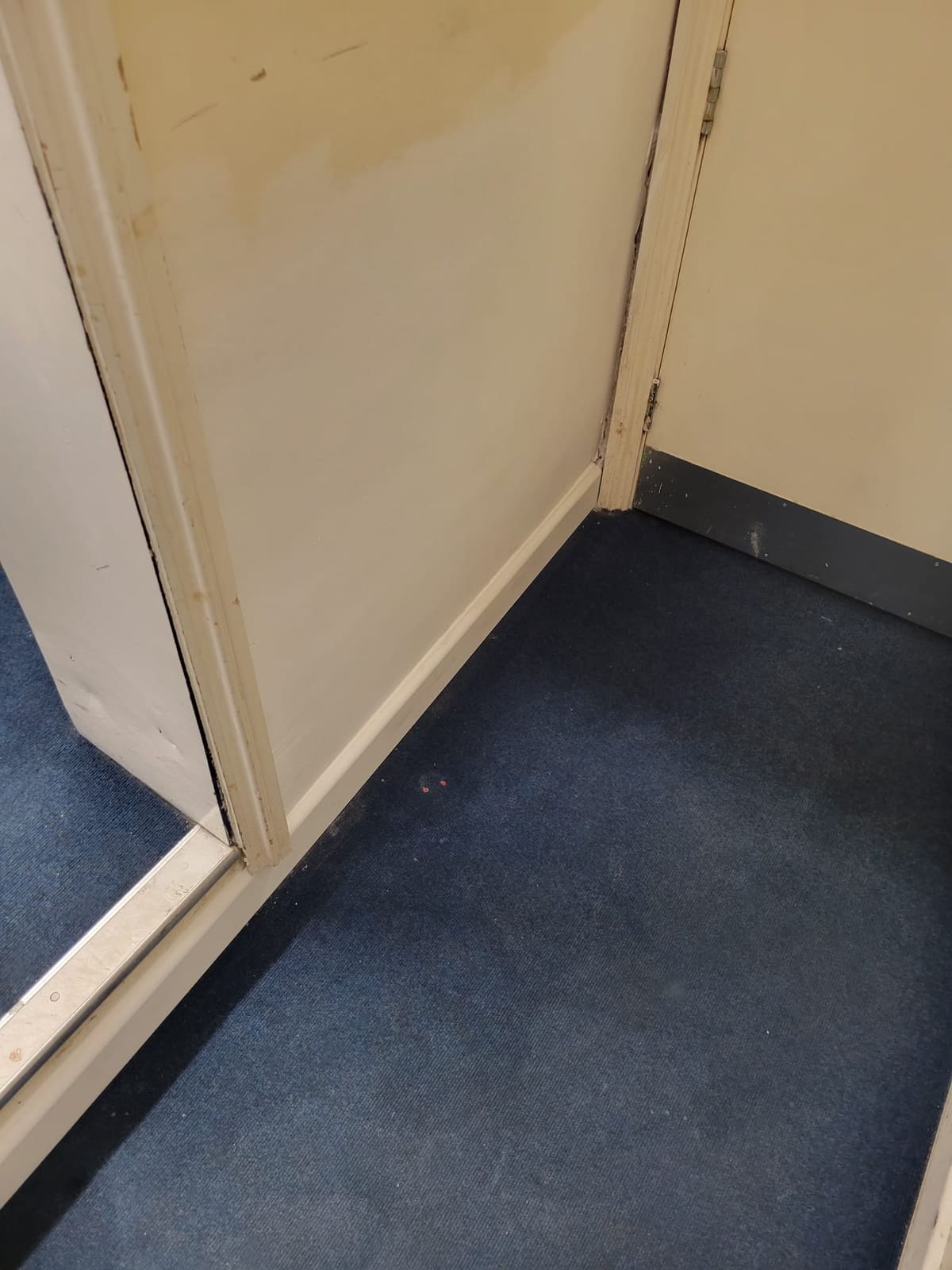
Diagnosed and put right.
A commercial damp remedial job at William H Brown's Lincoln office — chemical DPC treatment, replastering and redecoration carried out by our sister company, LWR Group, following diagnosis.
Mould removal cost.
COST.01
Starts with a survey
From £100+VAT
Every job begins with diagnosis so the remediation fixes the real cause, not just the symptom.
COST.02
Fixed remediation quote
Quoted per job
Once we know the cause and scope, LWR Group provides a fixed price up front — no surprises mid-job.
COST.03
What's included
Survey to sign-off
Diagnosis, containment, treatment, fabric repair and a final moisture re-check, all from one team.
See our full survey pricing for the fixed mould report and damp survey rates that precede every remediation.
Why use a mould specialist near me vs DIY?
For a small, contained patch of mould with an obvious cause, careful DIY treatment with a proper fungicidal product works. We'll always tell you when that's the case — our complete guide to black mould walks through exactly how to do it safely.
But DIY fails when the moisture source isn't fixed. Most people clean the mould, repaint, and watch it bleed back through within weeks because the condensation, leak or damp underneath was never addressed. A professional mould specialist diagnoses and fixes that source, so the remediation lasts.
The other factor is health. Black mould produces airborne spores and mycotoxins linked to asthma, respiratory infections and worse. Disturbing a large colony without containment and proper PPE spreads it through the home. For anything beyond a small patch — and always where a vulnerable occupant is involved — a specialist is the safer and ultimately cheaper choice.
Areas we cover.
Mould removal, answered.
Mould removal is the act of cleaning visible mould off a surface. Mould remediation is the complete process — diagnosing and fixing the moisture source, removing and treating the mould, repairing the fabric and preventing recurrence. We remediate, because removal alone almost always lets the mould grow straight back.
It depends on the size of the affected area and the moisture source behind it. We start every job with a survey from £100+VAT to diagnose the cause, then provide a fixed remediation quote through LWR Group. Small contained jobs are modest; larger remediation with re-plastering and ventilation works costs more. You always get the price up front before any work starts.
Yes — for anything beyond a small surface patch. Removing mould without identifying the moisture source wastes money because it grows back. Our survey pinpoints whether the cause is condensation, penetrating damp, rising damp or a leak, so the remediation fixes the problem permanently.
Yes, when the underlying moisture is dealt with. Black mould is a symptom of a moisture problem. We kill and remove the mould, then fix the cause — ventilation, insulation, a leak or a failed damp-proof course — so it has nothing to feed on. That is the difference between a professional mould specialist and a quick clean.
For small, contained patches with an obvious cause, careful DIY can work. For anything larger, recurring, or where the cause is unclear, a professional mould specialist saves money long term — DIY treatments that ignore the moisture source fail repeatedly, and prolonged mould exposure is a genuine health risk.
We provide mould removal and remediation across Lincoln and the wider Lincolnshire area, including Gainsborough, Sleaford, Newark, Grantham, Boston, Louth, Horncastle and Market Rasen, plus surrounding villages.
In most rental cases, yes. Where mould is caused by disrepair, a structural defect or inadequate ventilation, it is the landlord's responsibility under Section 11 of the Landlord and Tenant Act 1985 and the Homes (Fitness for Human Habitation) Act 2018. Our HHSRS-compliant survey establishes the cause and supports the landlord's compliance obligations.
Before You Book
Read up on mould
Damp & Mould Guide
Removing Mould from Walls: What Works, What Doesn't, and When to Get a Survey
Bleach and a fresh coat of paint rarely fix mould on walls for good. Here's what genuinely works, what doesn't, and when it's time for a proper survey.
Read guide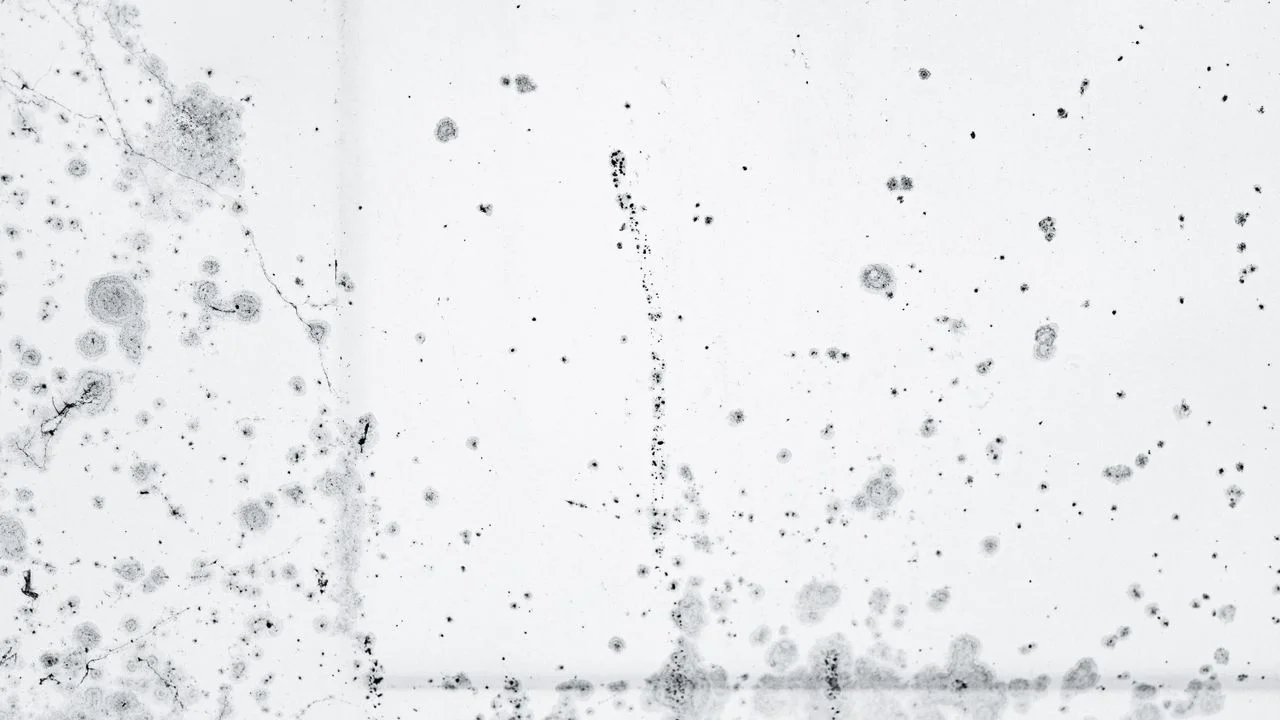
Damp & Mould Guide
Black Mould: The Complete UK Guide to Identifying, Removing & Preventing It
What black mould actually is, why it appears, how to remove it safely from walls, ceilings, silicone and fabric, and when DIY isn't enough.
Read guide
Damp & Mould Guide
Rising vs Penetrating vs Condensation Damp — How to Tell the Difference
The three main causes of damp in UK homes look similar but require completely different treatments. Learn how to spot each one.
Read guide
Damp & Mould Guide
Is Mould the Landlord's Responsibility? UK Law in 2026
Section 11, the Homes (Fitness for Human Habitation) Act, HHSRS and Awaab's Law — who's actually liable for mould, when, and how to prove fault.
Read guideDamp & Mould Guide
Ceiling and Bathroom Mould: Causes and What Actually Fixes It
Bathroom and ceiling mould keeps coming back because the cleaning fixes the symptom, not the cause. Here's what's actually behind it.
Read guide