Bleach and a fresh coat of paint make mould disappear for a few weeks, then it's back — because cleaning it deals with what you can see, not why it's there. Here's what genuinely works, what doesn't, and when it's time for a survey instead of another scrub.
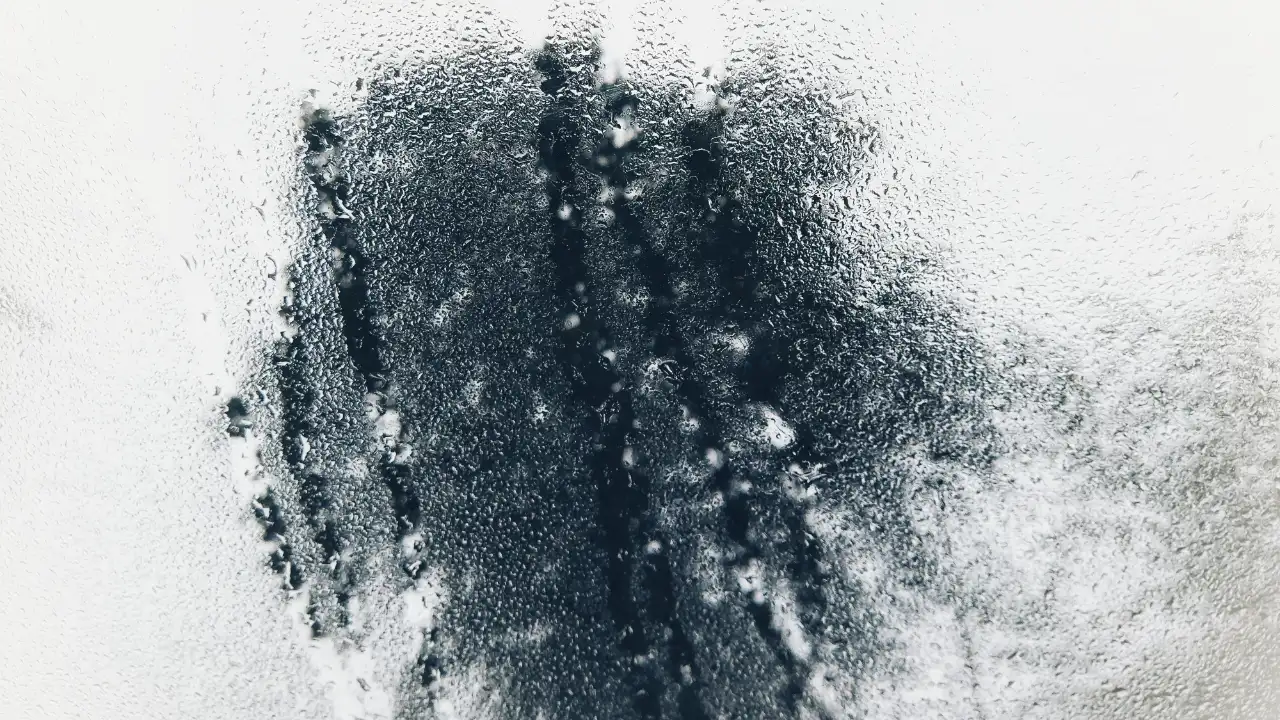
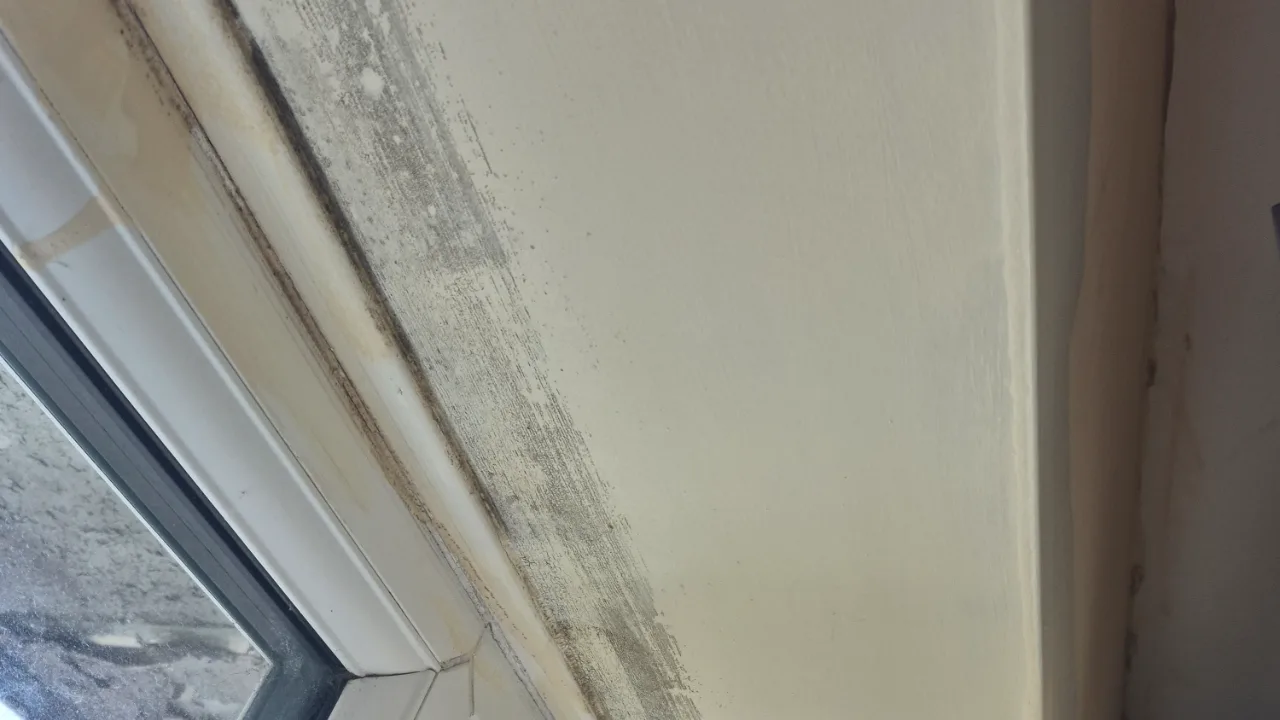
A lot of wall mould starts as condensation around a window before spreading to the surrounding wall — if that sounds like your situation, it's worth reading alongside this guide.
Removing Mould from Walls Yourself (Small Areas)
For a small, contained patch — under about 1m², with an obvious cause like a one-off steamy shower or a single cold corner — careful DIY treatment is reasonable:
- • Wear a mask and gloves; don't dry-brush or vacuum mould, it releases spores into the air
- • Use a proper fungicidal wash or diluted detergent solution, not just bleach on its own
- • Wipe, don't scrub — scrubbing dry mould spreads spores rather than removing them
- • Ventilate the room well during and after cleaning
- • Fix the ventilation or moisture cause at the same time, not after
Recognise this in your own property? Book a survey or call 07453 527 205.
What Doesn't Work
Bleach alone
Bleach can lighten the surface stain but doesn't reliably kill mould growing into porous plaster or wallpaper paste, and does nothing about the moisture feeding it. It often looks fixed for a week or two, then isn't.
Painting over it
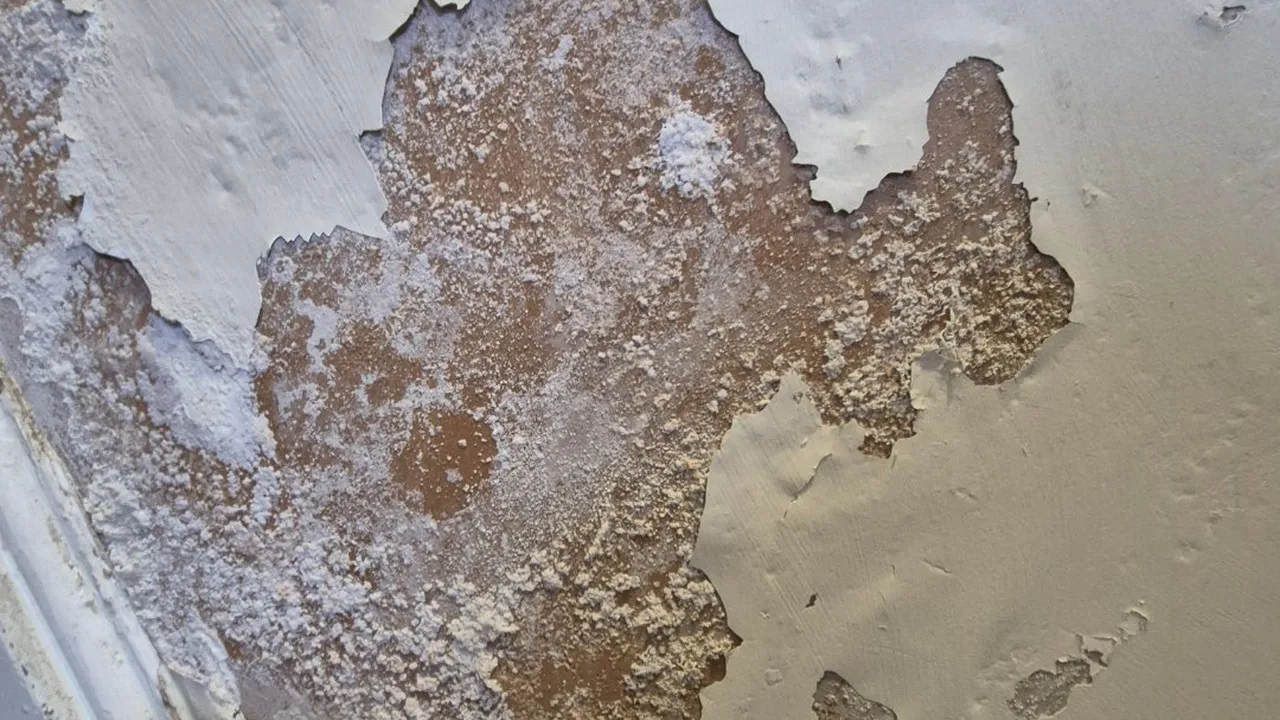
Even mould-resistant paint is a cosmetic fix. If the moisture source is still active, growth typically reappears through or around the new paint within weeks to months.
Air fresheners and dehumidifier alone
A dehumidifier reduces airborne moisture but doesn't address why humidity is high in the first place — poor ventilation, a leak, cold-spot insulation. It manages the symptom, not the cause.
Repeated cleaning without diagnosis
If mould returns within a few weeks of cleaning despite reasonable ventilation, cleaning harder isn't the answer — something specific is still causing it, and it needs identifying.
Can You Sleep in a Room With Black Mould?
For a small, contained patch that's promptly cleaned, most people can without specific concern. For anything larger, recurring, or where a child, elderly person, or anyone with asthma or a respiratory condition uses the room, it's not advisable to leave it untreated — prolonged exposure to mould spores is linked to respiratory irritation and can worsen asthma symptoms.
Ventilate the room as much as possible in the meantime, and prioritise getting the actual cause fixed over repeatedly cleaning the same patch.
Whose Responsibility Is It to Clean Mould?
It depends on the cause. If mould is caused by a building defect — inadequate ventilation provision, a leak, poor insulation causing cold spots — that's the landlord's responsibility to fix in a rented property, not just clean. If it's genuinely caused by tenant lifestyle with no building defect present, cleaning is more reasonably the tenant's job.
Our full guide on who's responsible for mould in the UK covers the relevant law — Section 11, the Homes (Fitness for Human Habitation) Act, HHSRS and Awaab's Law — in detail.
Will Black Mould Ever Go Away?
Not permanently on its own. Cleaning removes the visible growth, but if the moisture source — condensation, a leak, poor ventilation — isn't fixed, the conditions mould needs are still there and it regrows. Mould that keeps coming back within weeks of cleaning is a sign the underlying cause hasn't been addressed, not that the cleaning was done wrong.
Found Black Mould in Your Bedroom?
Ventilate the room immediately, and avoid disturbing the mould dry — a damp cloth or diluted detergent solution for a small area, without dry-brushing or vacuuming, which releases spores into the air.
For anything beyond a small, contained patch, or if a vulnerable occupant sleeps in the room, get the underlying cause identified rather than repeatedly cleaning the same spot.
When to Get a Survey
A survey is the right next step when mould covers more than about 1m², keeps returning after cleaning, there's a musty smell without obvious visible mould, or when a landlord/tenant dispute needs an independent, documented cause rather than two people disagreeing about who's at fault.
Our Mould Report from £100+VAT identifies the actual cause with a full visual assessment and humidity readings rather than another round of guesswork, and where remedial work is needed, our mould removal service (carried out by LWR Group) fixes the source, not just the surface.
MOULD SURVEY · LINCOLN & LINCOLNSHIRE
Stop cleaning the symptom. Find the cause.
Independent mould reports from £100+VAT, HHSRS-rated, covering Lincoln and Lincolnshire.
Book Your Mould ReportFAQ · Frequently Asked
Common Questions
Can you sleep in a room with black mould?+
For a small, contained patch that's promptly cleaned, most people can. For anything larger, recurring, or if a child, elderly person, or anyone with asthma or a respiratory condition uses the room, it's not advisable to leave it untreated — prolonged exposure to mould spores is linked to respiratory irritation and can worsen asthma. Ventilate the room as much as possible in the meantime and prioritise getting the cause fixed rather than just cleaning the surface repeatedly.
Whose responsibility is it to clean mould?+
It depends on the cause. If the mould is caused by a building defect — inadequate ventilation, a leak, poor insulation causing cold spots — that's the landlord's responsibility to fix in a rented property, not just clean. If it's genuinely caused by tenant lifestyle with no building defect present, cleaning is more reasonably the tenant's job. Our full guide on who's responsible for mould covers this in detail, including the relevant UK law.
Will black mould ever go away?+
Not permanently on its own. Cleaning removes the visible growth, but if the moisture source — condensation, a leak, poor ventilation — isn't fixed, it will keep regrowing because the conditions it needs are still there. Mould that keeps coming back within weeks of cleaning is a sign the underlying cause hasn't been addressed, not that the cleaning was done wrong.
What to do if you find black mould in your bedroom?+
Ventilate the room immediately and avoid disturbing the mould dry — a damp cloth or diluted detergent solution for a small area, without dry-brushing or vacuuming it, which releases spores into the air. For anything beyond a small, contained patch, or if a vulnerable occupant sleeps in the room, get the underlying cause identified rather than repeatedly cleaning the same spot — an independent survey confirms whether it's condensation, a leak, or something else before you spend money on the wrong fix.