What Condensation Actually Is
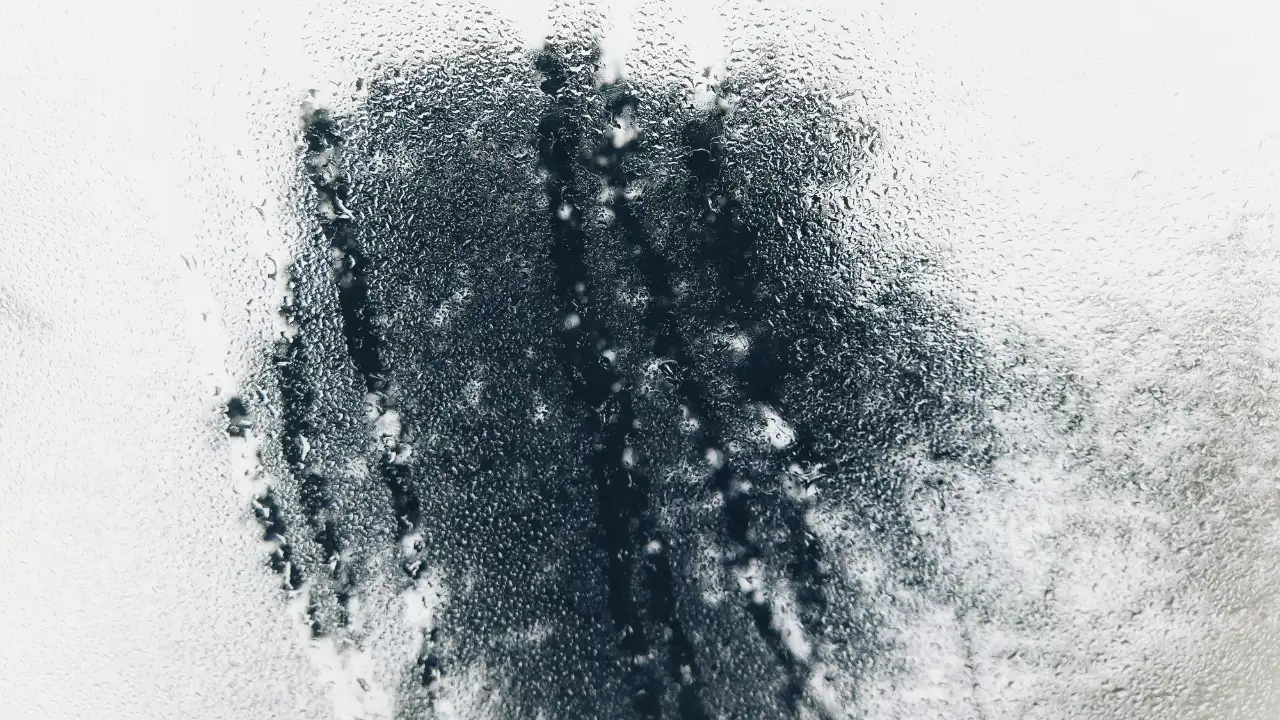
Warm air holds more moisture than cold air. When that warm, moist air meets a cold surface, such as a window or an external wall, it can't hold the moisture any more and it settles out as water. The moisture comes from ordinary things: cooking, washing, drying clothes indoors, even breathing.
It is both a building problem and a habit problem, together, not one or the other. A property with good ventilation and reasonable heating can still get condensation if the surfaces are cold enough. A property with poor ventilation will get it however carefully a tenant lives.
Recognise this in your own property? Book a survey or call 07453 527 205.
Why It Starts in October
Nothing changes inside the house except the weather. As the heating goes on and windows stay shut against the cold, the surface temperature of glass and external walls drops. Warm, moist indoor air meeting those colder surfaces is what produces the sudden run of condensation that seems to arrive overnight.
What a Tenant Can Change This Week
Free changes first, roughly in order of what actually moves the needle:
- • Open a window properly for a short burst each morning, rather than leaving one on the latch all day.
- • Use the extractor fan when cooking or showering, and leave it running for a few minutes afterwards.
- • Cover pans while cooking.
- • Dry washing near an open window or an extractor, not on a radiator in a closed room.
- • Leave a small gap behind furniture standing against an outside wall.
- • Keep a little background heat on rather than short, high blasts.
Our guide to the five minute ventilation habit sets out the method in full.
What Is the Building's Doing, Not Yours
Where a tenant has done all of the above and it keeps coming back, the building itself can suggest the answer: an extractor fan that runs but moves very little air, no trickle vents, or vents painted shut, single glazing or double glazing that has failed, cold external walls with little or no insulation, a blocked air brick, a leak, or a wall that is wet for a reason that has nothing to do with condensation at all.
Where the Line Falls Between Tenant and Landlord
The honest version: a tenant is generally expected to ventilate and heat the property reasonably, and to report problems early and in writing. A landlord is generally responsible for the building itself: ventilation provision, glazing, structure and repairs.
Most winter cases are a bit of both, and the argument usually starts because nobody wrote anything down. Our guide to who is responsible for mould in a rented home covers the legal detail.
What to Record, Either Way
Whichever side of the line a case falls on, the same record settles it: dates, photographs, which rooms are affected, when it is at its worst, what has been tried already, and what was reported to whom and when.
When Condensation Is Not the Answer
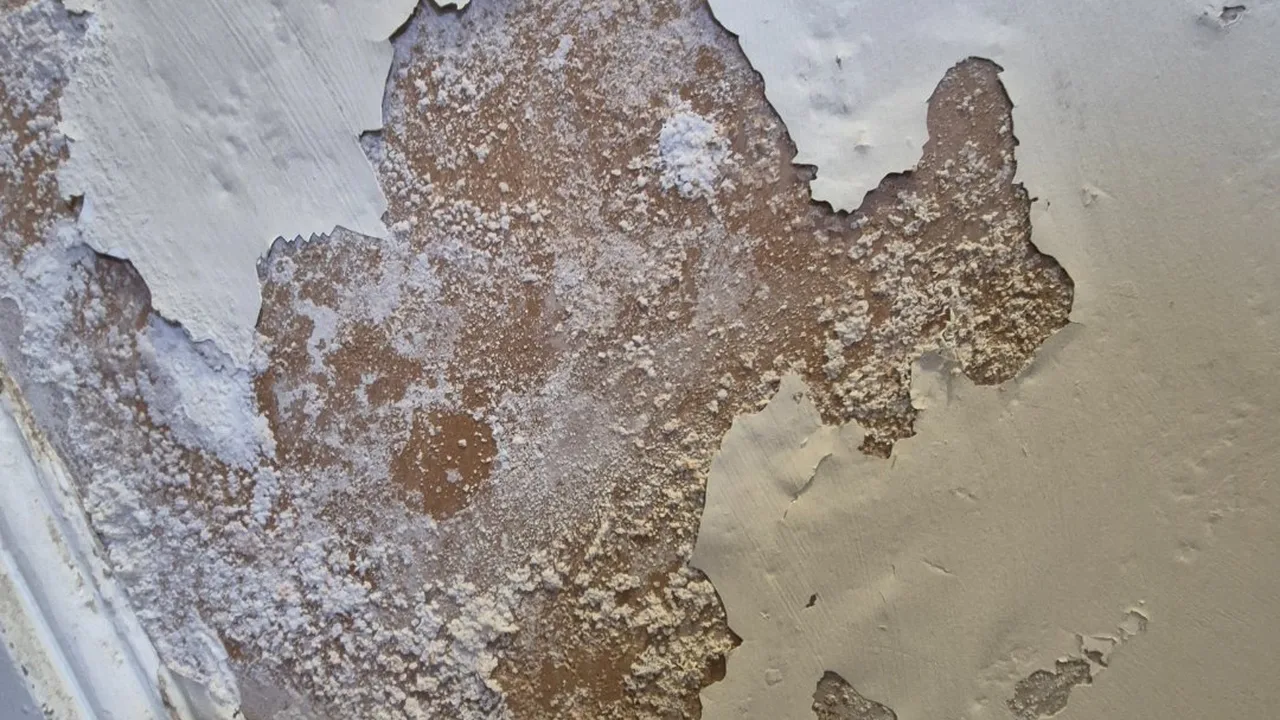
A few patterns can suggest something other than condensation: damp appearing at ground level with a tide mark, damp that worsens after rain, a single damp patch away from any window, or a musty smell with no visible mould at all. Our guide to telling rising, penetrating and condensation damp apart covers how the pattern separates them.
What a Survey Does About It
A DMM visit is plain and limited to what actually helps: the accessible rooms and outside, moisture readings on the affected walls, a look at the ventilation provision, and thermal imaging where relevant. The findings are set out in a written report, useful to whichever side needs to show what is actually happening.
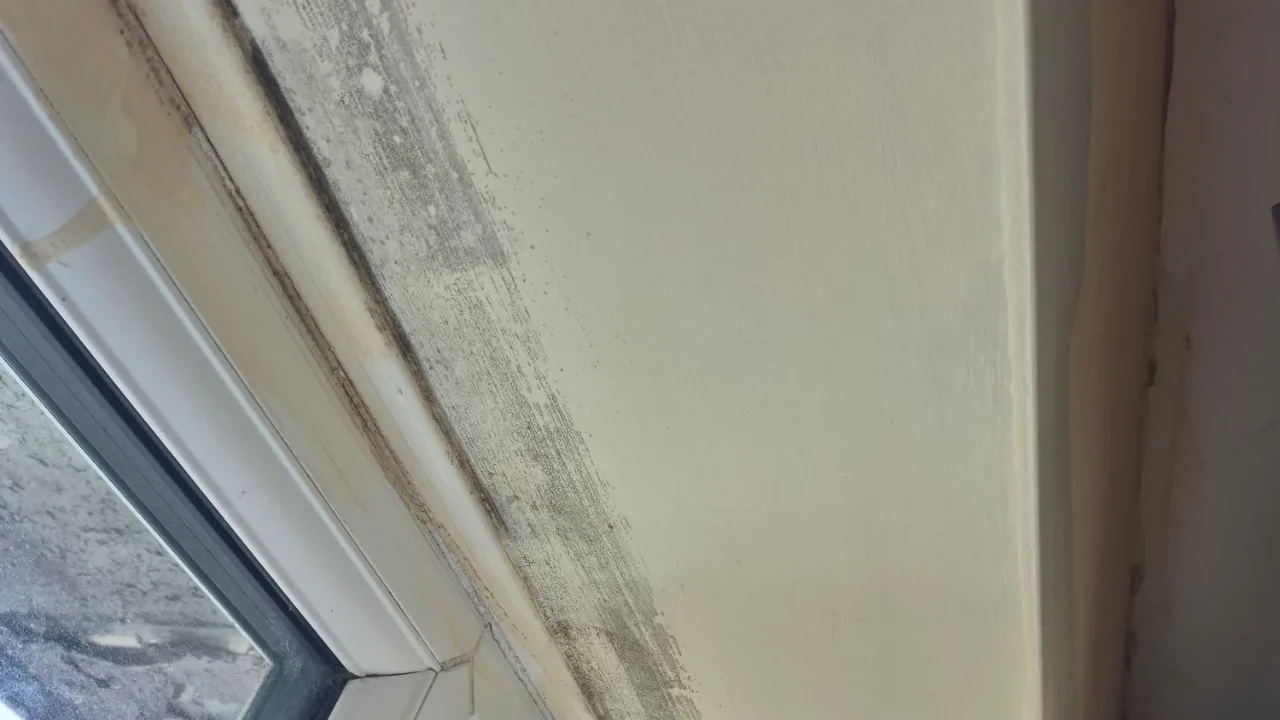
Mould already showing on a bathroom or bedroom ceiling is often a condensation pattern too, and that guide covers it directly. Ready to book a damp survey? We cover Lincoln and Lincolnshire.
FAQ · Frequently Asked
Common Questions
Does condensation mean my house is too cold?+
Not on its own. Condensation is about the difference between warm, moist air and a cold surface, so it can appear in a warm room with cold single glazing, and in a cold room that is well ventilated it may not appear at all. Consistent low background heat usually does more than short bursts of high heat, because it keeps wall and window surfaces above the temperature where moisture settles.
Does putting the heating on reduce condensation?+
It helps, if it is steady. Heating a room for an hour and then letting it go cold gives you warm, moisture holding air meeting surfaces that are still cold, which is the worst combination. Low and constant beats high and occasional, and it works best alongside ventilation, not instead of it.
Can you put fairy liquid on windows to stop condensation?+
It does not stop condensation. Washing up liquid smeared thinly on glass changes how the water sits, so it films rather than beads and looks better for a while. The moisture is still in the room, and it will settle on the next cold surface, which may be a window reveal or a wall you cannot see behind furniture.
Will condensation clear up on its own?+
Morning condensation on glass often clears through the day, and that is normal. What is not normal is water pooling on the frame, damp patches on the reveal, or black spotting appearing. If it returns every morning through the winter, the house is telling you something about ventilation or cold surfaces.
How can I reduce condensation in my bedroom?+
Bedrooms are the most common room for it, because people breathe out moisture for eight hours in a room that is usually the coldest and the least ventilated. Open the window properly for a few minutes in the morning, leave the door open during the day, keep a little background heat on, and pull the bed and any wardrobe a few centimetres off the outside wall.
Do dehumidifiers work?+
They help in a room that cannot be ventilated well, and they are useful while a property dries out after a leak. They treat the air, not the cause, so the moisture returns when the machine is off if the ventilation or the cold surface has not changed.
My landlord says condensation is my fault. Is it?+
Sometimes partly, and rarely entirely. If ventilation provision is missing or not working, if there is no way to heat a room reasonably, or if a wall is wet for another reason, that is the building. The fair way through it is a written record from both sides and, where it is disputed, an inspection that identifies the cause rather than assigning blame.