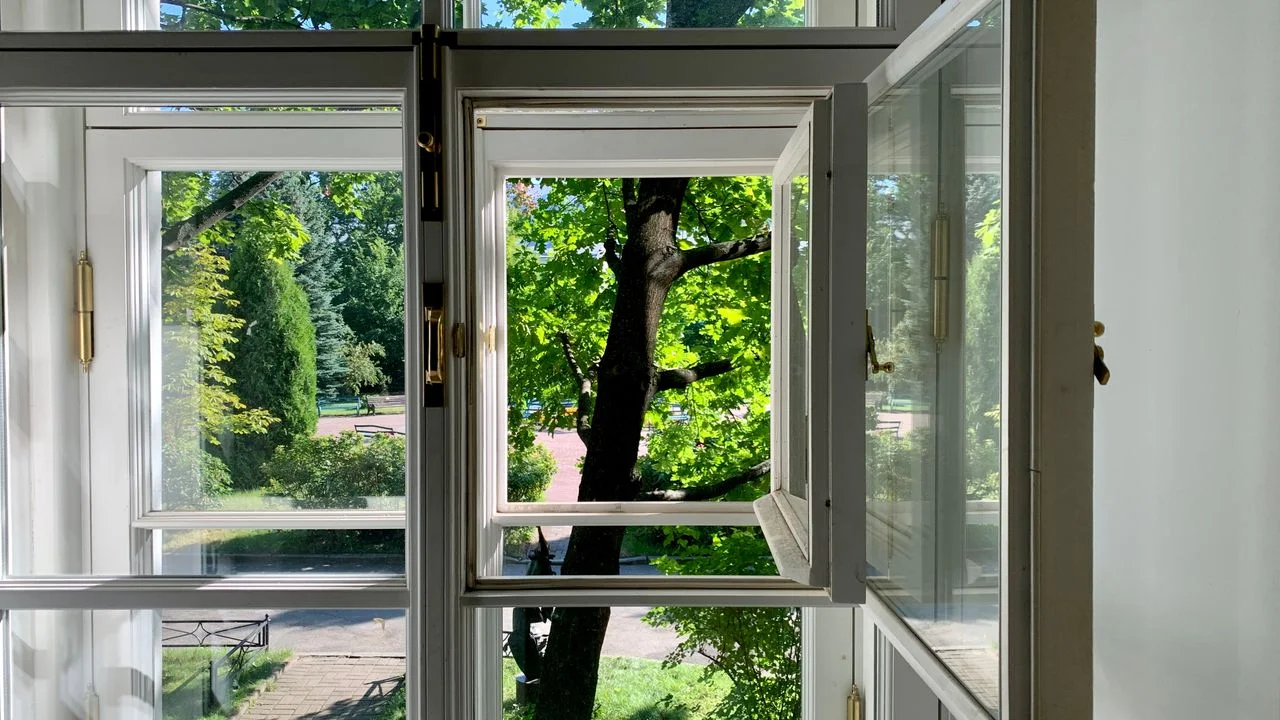
Condensation is the single most common cause of mould in UK homes. The good news? One of the most effective ways to combat it takes just five minutes a day. It's called shock ventilation, and it could transform the air quality in your home.
What Is Shock Ventilation?
Shock ventilation (sometimes called purge ventilation) is the practice of opening windows wide for a short burst — typically 5 to 10 minutes — to rapidly exchange the warm, moist air inside your home with cooler, drier air from outside. Unlike leaving a window slightly open all day (trickle ventilation), shock ventilation creates a complete air change quickly, which is far more effective at reducing moisture levels.
The technique is widely recommended by building surveyors, environmental health officers, and mould specialists across the UK and Europe. In Germany, where energy-efficient homes with excellent insulation are the norm, shock ventilation (known as "Stoßlüften") is standard daily practice.
Why Does It Work?
Every day, a typical family of four produces around 10 to 15 litres of moisture through everyday activities — cooking, showering, drying clothes, and even breathing. This moisture has to go somewhere. When it meets a cold surface like a window, external wall, or poorly insulated corner, it condenses into water droplets. That persistent dampness is exactly what mould needs to grow.
Shock ventilation works by removing this moisture-laden air before it has a chance to condense. By opening windows on opposite sides of the property (cross-ventilation), you create a rapid through-draught that flushes out the humid air and replaces it with drier outdoor air. Even in winter, the outside air is almost always less humid than the air inside your home.
How to Do It Properly

Follow these steps for effective shock ventilation:
Open windows wide
Don't crack them — open them fully. The wider the opening, the faster the air exchange. If you have windows on opposite sides of the property, open both to create a cross-draught.
Turn off the heating temporarily
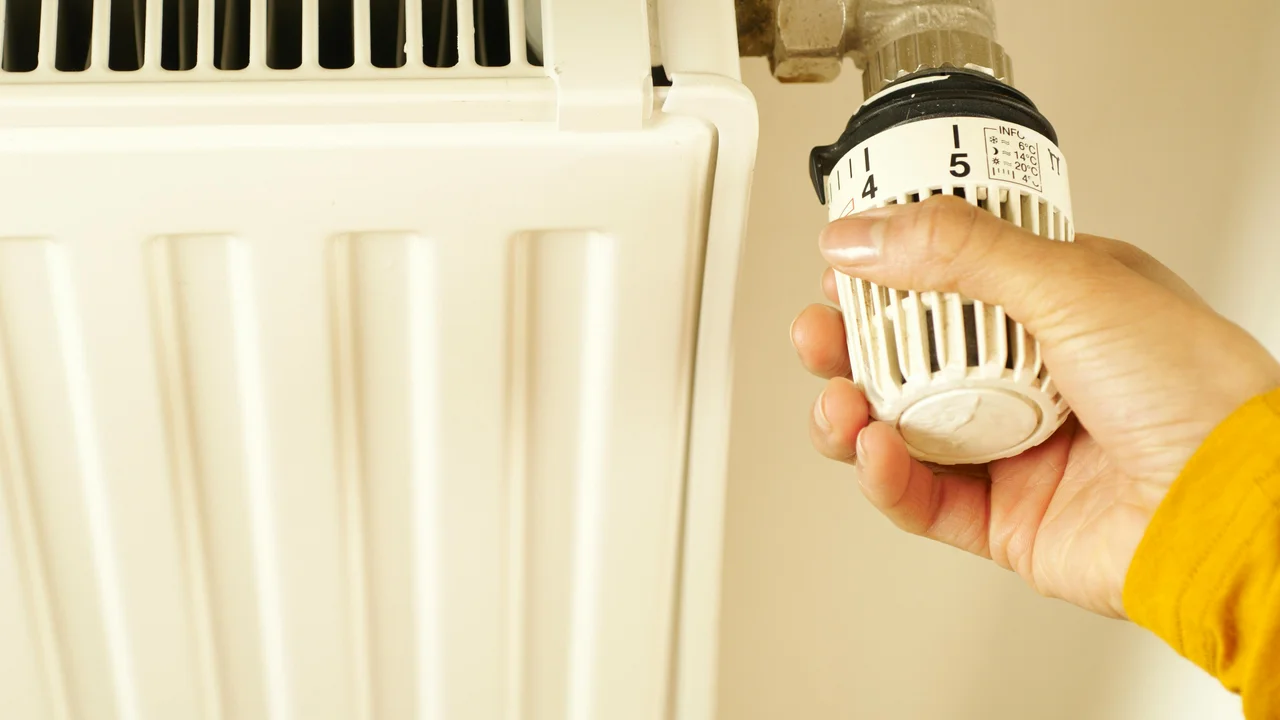
There's no point heating the outdoor air. Switch radiators off or turn the thermostat down before you open up, then close windows and restore heating after 5–10 minutes.
Do it first thing in the morning
Overnight, moisture builds up from breathing and any doors being closed. A morning flush is the most impactful time to ventilate.
Repeat after high-moisture activities
After cooking, showering, or drying clothes indoors, do another 5-minute shock ventilation to clear the excess moisture immediately.
Keep internal doors open
While ventilating, open internal doors so air can flow through the whole property, not just one room.
Common Misconceptions
"It's too cold to open windows in winter"
A 5-minute burst won't significantly cool your home. The walls, furniture, and floors retain heat. The air temperature recovers quickly once you close up and turn the heating back on.
"It wastes energy"
Counter-intuitively, shock ventilation is more energy-efficient than leaving a window slightly open all day. The brief burst exchanges air without continuously cooling the building fabric.
"My extractor fan is enough"
Extractor fans in bathrooms and kitchens help, but they typically only ventilate one room. Shock ventilation addresses the whole property and is especially important for bedrooms and living rooms where fans aren't installed.
"Newer homes don't need ventilation"
Modern, well-insulated homes are actually more prone to condensation because they are more airtight. Shock ventilation is even more important in newer builds.
When Ventilation Isn't Enough
Shock ventilation is excellent for managing condensation, but it won't solve every damp problem. If you have rising damp, penetrating damp from a structural defect, or mould that keeps returning despite good ventilation habits, you likely need a professional assessment to identify the root cause.
Signs that you need a professional survey include mould that reappears within weeks of cleaning, damp patches on walls that aren't near windows, a persistent musty smell, or tide marks and salt deposits on walls at ground level.
FAQ · Frequently Asked
Common Questions
What is shock ventilation?+
Shock ventilation (or purge ventilation) means opening windows fully for a short 5–10 minute burst to rapidly exchange warm, moist indoor air for cooler, drier outdoor air. It's far more effective at reducing moisture than leaving a window on the latch all day, which barely exchanges air.
How often should I do shock ventilation?+
Ideally once a day, ideally first thing in the morning when overnight moisture has built up, plus an extra burst straight after high-moisture activities like cooking, showering or drying clothes indoors.
Does shock ventilation waste heating and money?+
No — counter-intuitively it's more energy-efficient than leaving a window slightly open all day. A brief 5-minute burst doesn't meaningfully cool the walls, furniture or floors, so the room recovers its temperature quickly once you close up and put the heating back on.
Will shock ventilation get rid of mould that's already there?+
No. It prevents the conditions mould needs to grow, but it won't remove existing mould growth — you still need to clean and treat it — and it won't fix rising damp or penetrating damp caused by a structural defect.
Is ventilation alone enough, or do I need a survey?+
If mould reappears within weeks of cleaning, damp patches show up away from windows, there's a persistent musty smell, or you see tide marks and salt deposits at ground level, ventilation alone won't solve it — you need a professional survey to identify the underlying cause.
