What the White Marks on Your Wall Actually Are
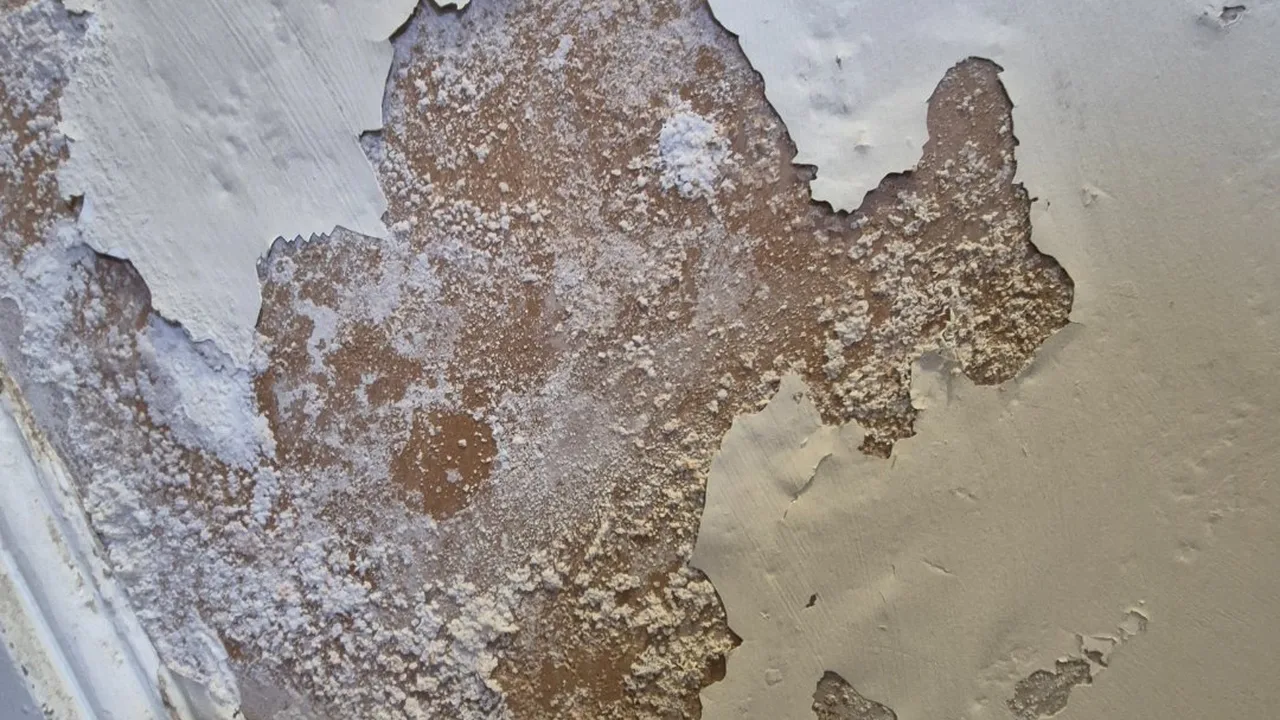
The white, powdery or crystalline deposit is salt. It was carried through the wall dissolved in moisture, and left behind on the surface as that moisture evaporated. The salt itself is not the fault. It is evidence that moisture has been moving through the wall, and the mark on the surface is where that movement ended.
This is the reason the same white bloom gets treated so differently from one wall to the next. On a wall that is simply drying out, it can be a normal, temporary stage. On a wall that keeps producing it, it points to moisture still finding a way in.
Recognise this in your own property? Book a survey or call 07453 527 205.
Efflorescence or Hygroscopic Salts: the Difference That Matters
Efflorescence is the fluffy, loose white bloom that brushes off easily. It is common on new or recently wet masonry, and it often stops appearing once the wall has fully dried out.
Hygroscopic salts, mainly nitrates and chlorides, behave differently. Once they are in the wall they stay there, and they pull moisture out of the air even when the original wet source has been fixed. This is why a patch can stay damp to the touch on a dry day, long after whatever caused it has stopped.
Where the Salt Is Coming From
A few sources account for most of what we see:
- • New or recently wet masonry drying out for the first time.
- • Ground moisture rising through the wall where a damp proof course is absent, failed or bridged, which is rising damp.
- • Water entering through a defect outside the wall, such as a failed gutter, cracked render or bad pointing.
- • A leak inside the wall itself, from plumbing or a fitting.
- • A chimney breast carrying old flue salts left over from years of use.
Telling these apart matters, because the fix is different for each one. Our guide to telling rising, penetrating and condensation damp apart covers the three most common causes in more depth.
What the Pattern on the Wall Tells You
A few things about the pattern can suggest what is behind it, without being a diagnosis on their own: how high above the floor it sits, whether it tracks with rainfall, whether it returns after cleaning, and which rooms and which walls are affected.
A band low on the wall that keeps returning points more towards ground moisture. A patch that worsens after heavy rain, or that follows a line down from above, can suggest water getting in from outside. None of this replaces a proper look at the property, but it is a useful starting point before you call anyone.
Why Wiping It Off Keeps Not Working
Cleaning the deposit off removes what you can see, not the moisture that produced it. Water re-dissolves the salt still in the wall and carries it back to the surface as the wall dries again, so the mark returns in the same place, often within weeks.
What Not to Do
- • Don't seal or paint over it. Trapped moisture usually blisters the new finish within months.
- • Don't wash it off with water first. Water dissolves the salt and pushes it further into the wall before it comes back out.
- • Don't use acid or a pressure washer on old brickwork.
- • Don't re-skim over contaminated plaster. The salts are usually still there under the new surface, and the blistering comes back. Our guide to bubbling or blistering plaster covers why that happens.
Removing It Safely, and What That Does and Doesn't Prove
Brush the deposit off dry with a stiff brush, and ventilate the room while you do it. Then watch the area over a set period. If it stays clear, that is a reasonable sign the wall has dried out. If it returns, that means an active moisture route is still there, and brushing it off again won't change that.
When It's Worth Getting a Survey
If the salt keeps returning, or you are not sure whether what you are looking at is fresh masonry drying out or something ongoing, a DMM visit covers the affected walls and rooms that can be accessed, plus the outside. We take moisture readings on the affected walls, note the salt marks we can see, and use thermal imaging where relevant. The findings are set out in a written report.
Ready to book? Book a damp survey and we'll take it from there.
FAQ · Frequently Asked
Common Questions
Does efflorescence mean the wall is damp?+
It means moisture has moved through the wall and evaporated at the surface, leaving salt behind. On new or recently built masonry that is often just the wall drying out, and it settles. On an older wall, especially where it keeps returning after cleaning, it points to moisture still getting in from somewhere.
Is salt coming through a wall a serious problem?+
The salt itself does not damage the wall structurally. What matters is what it tells you. Where it keeps returning, there is an active moisture route, and that is what needs finding. Where salts have soaked into plaster, the plaster itself often has to be replaced rather than re-skimmed.
Can I paint over it?+
Painting or sealing over salt traps the moisture rather than stopping it. The paint usually blisters or lifts within months, and the salt reappears at the edges. Deal with the moisture route first.
How do I remove salt marks from a wall?+
Brush the deposit off dry with a stiff brush and ventilate the room. Water dissolves the salt back into the wall and brings it out again as it dries. Watch the area over the following weeks: if the marks come back, the wall is still getting wet.
Why did the salt come back after the wall was replastered?+
Because the salts were still in the wall when the new plaster went on, or the moisture route was never closed. Salt contaminated plaster usually needs stripping back further than the visible damage suggests. Our guide to bubbling and blistering plaster covers that.
Are the salts harmful to health?+
The salt deposits themselves are not the health issue. Persistent damp is, because damp walls and the conditions that cause them are what lets mould grow, and mould is what affects health.
Does efflorescence go away on its own?+
On new masonry drying out, often yes, over the first months. If it has been appearing for more than a year, or returns every winter, it is not a drying out problem.
Do you test the salts?+
No. We note the salt marks we can see and take moisture readings on the affected walls. The diagnosis comes from the pattern, the readings and the condition of the building, and it is set out in a written report.