A misted-up window in winter is one of the most common things people ask us about — and most of the time it's completely normal. Here's how to tell ordinary window condensation from something worth getting checked.
KEY TAKEAWAY
Short answer
A little condensation on cold windows, especially bedrooms in winter, is normal — glass is the coldest surface in most rooms. It's worth addressing when it's pooling on the sill, appearing on every window daily regardless of the weather, or mould starts forming on the frame.
How Much Condensation on Windows Is Normal?
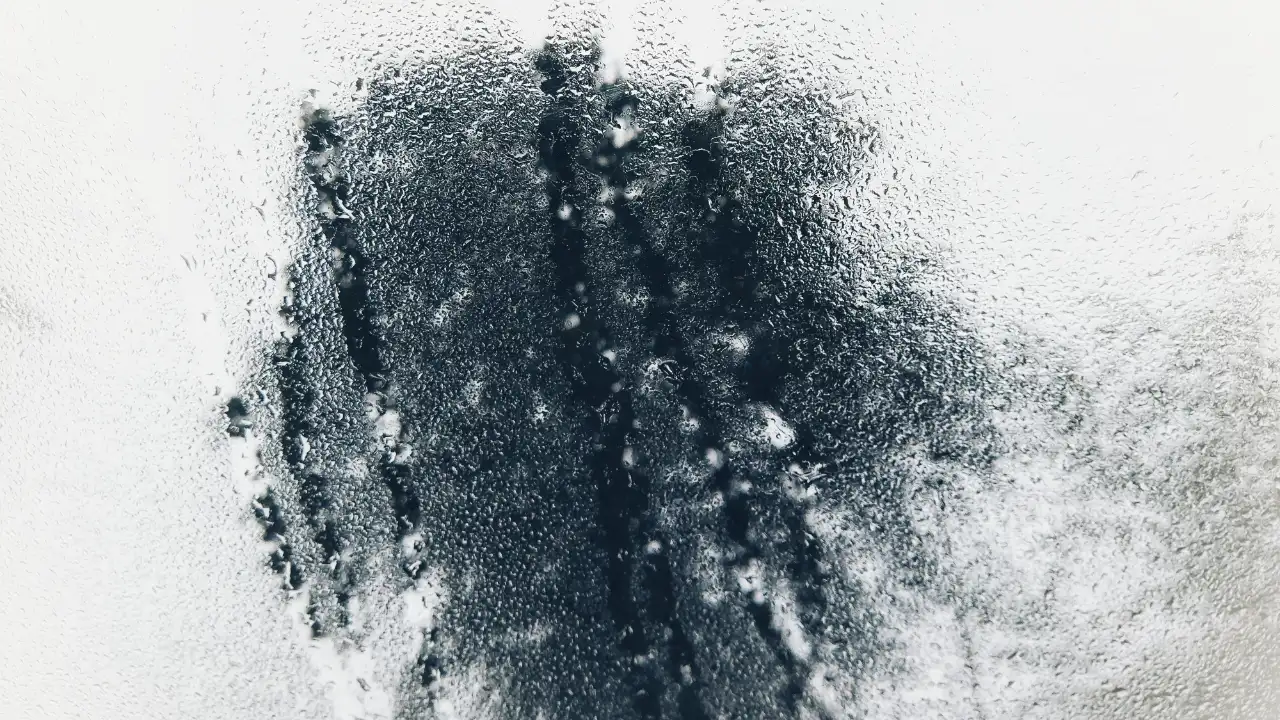
A light film on bedroom windows first thing on a cold morning — especially in winter, and especially with older double glazing or single glazing — is normal and not a cause for concern on its own. Warm, moist indoor air meets the coldest surface in the room and reaches its dew point there first.
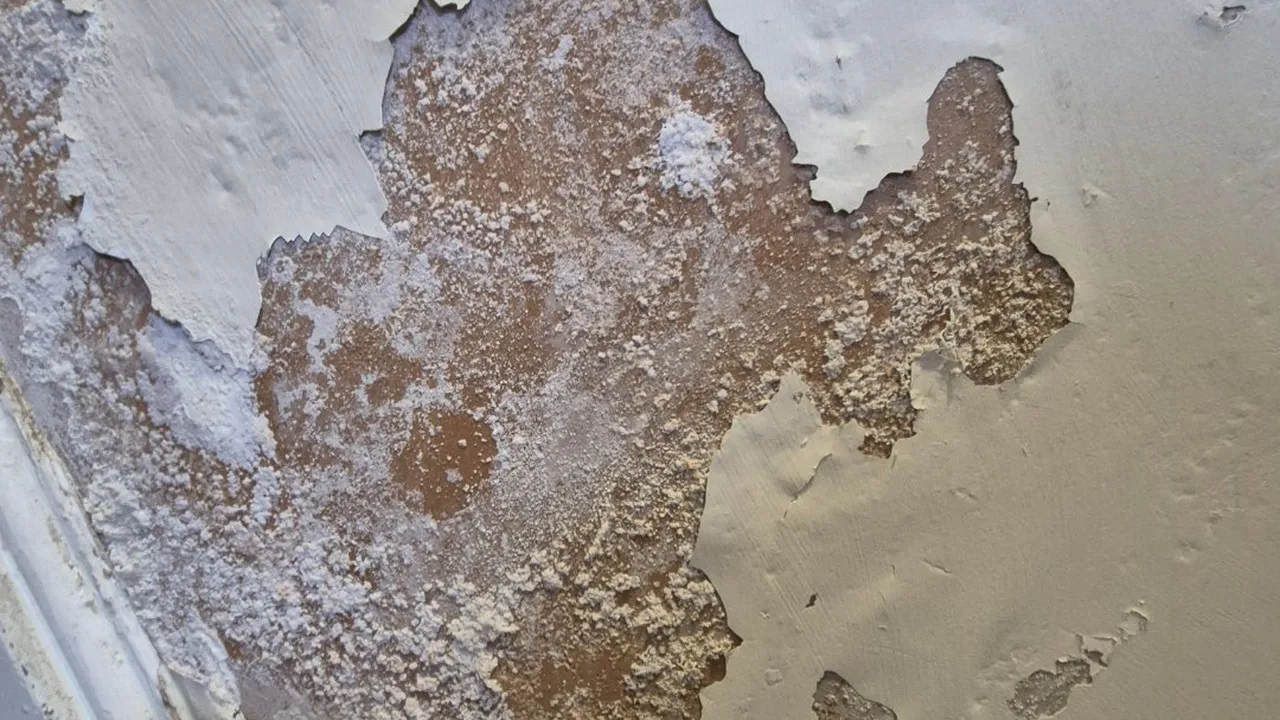
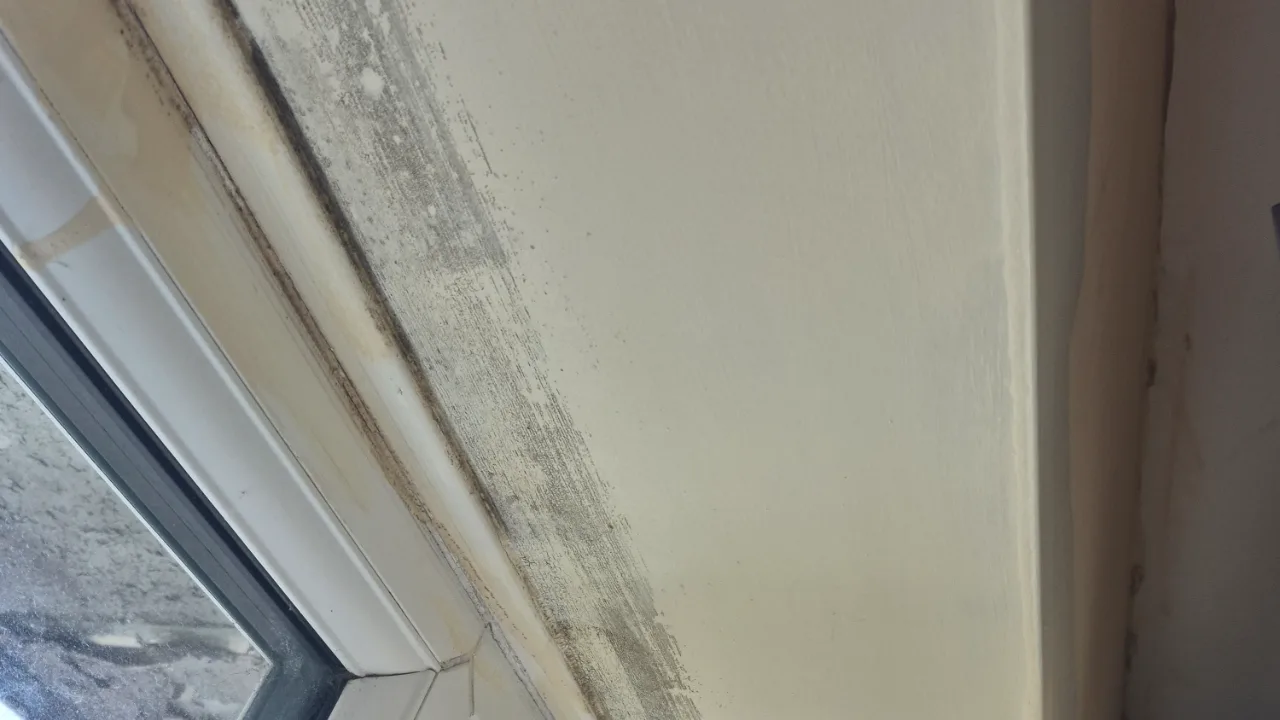
It stops being "normal" and starts being worth addressing when water is pooling and running down onto the sill or frame, when it's happening on every window every day regardless of the weather, or when mould starts appearing on the frame, reveal or sealant.
Recognise this in your own property? Book a survey or call 07453 527 205.
Does Condensation on Windows Mean the House Is Too Cold?
Not necessarily. It means that specific glass surface is colder than the dew point of the air touching it — which is normal physics, since glass loses heat far faster than an insulated wall. It can happen in a warm, well-heated room if humidity is high enough, which is more common than people expect.
Cooking without extraction, showers without ventilation, and drying laundry indoors on radiators all push a lot of moisture into the air. A window can mist up in a room that feels perfectly warm, because the issue is the gap between indoor humidity and that one cold surface, not the room's overall temperature.
How Do You Stop Condensation on Windows?
Most of it comes down to habit, not equipment. Where it doesn't clear up, our condensation control service diagnoses what's actually behind it rather than treating the symptom.
Ventilate properly
Open trickle vents, and use shock ventilation — windows fully open for 5-10 minutes a day clears moist air faster than a vent left cracked permanently. Our guide to shock ventilation covers exactly how.
Reduce moisture at the source
Extractor fans running during and after cooking and showering, lids on pans, laundry dried outside or in a vented dryer rather than on radiators.
Keep consistent background heat
Switching heating fully off and on creates bigger temperature swings between the glass and the air, which makes condensation worse. A steady low background heat helps.
Check trickle vents aren't blocked
Many are painted shut, dust-clogged or simply closed and forgotten. A vent that can't open is doing nothing, however good the rest of your routine is.
Leave curtains and blinds slightly open overnight
Fully closed curtains trap air against cold glass, which makes it more likely to reach its dew point there. A small gap lets the room's air move past the glass instead of sitting against it.
Wipe it down each morning
Doesn't fix the cause, but stops water soaking into the frame, sill or plaster below the window while you address the ventilation and heating side.
Our full guide to shock ventilation goes into more detail on the single most effective daily habit for condensation control.
Renting? The line between what a tenant can change and what the landlord is responsible for is covered in our guide to stopping condensation in a rented home.
Why It Is Worst in the Bedroom, and Overnight
Bedrooms are usually the coldest room in the house and often the least ventilated, because the window stays shut all night. At the same time, a sleeping adult breathes out a surprising amount of moisture over eight hours, and a closed door keeps that moisture in one small space rather than letting it spread through the house.
The result is a room that is both colder and more humid than the rest of the house overnight, which is exactly the combination that produces condensation on the coldest surface in the room: the window. Opening the window properly for a few minutes each morning, leaving the bedroom door open during the day, and keeping a little background heat on all help. Curtains left slightly open, rather than fully closed against the glass, also make a real difference.
Condensation on the Outside of the Glass
This is different from condensation on the inside, and it can suggest something reassuring rather than a problem. Modern double and triple glazing insulates so well that the outer pane can stay colder than the air outside on a clear, cold morning, and if the outside air is humid enough, moisture settles on that outer surface the same way it does on the inside of an old single-glazed window.
In practice, this usually means the glazing is doing its job well, keeping the warmth inside rather than letting it leak out through the glass. It normally clears once the sun is up and tends to be more noticeable in autumn and spring, when the difference between day and night temperatures is greatest.
Will New Windows Get Rid of Condensation?
Partly, and it's worth being honest about the "partly." Modern double or triple glazing does have a warmer internal glass surface than old single glazing, so it genuinely reduces condensation forming on the glass itself.
But if the underlying humidity and ventilation problem isn't addressed, the same moisture load in the air has to go somewhere. It commonly reappears on a colder wall, in a corner, or behind furniture instead. New windows change where the symptom shows up more reliably than they eliminate the cause — which is why we still see condensation mould in newly double-glazed homes.
If mould itself, rather than water on the glass, is the problem you're looking at, our guide to mould around windows covers why it starts there first and what actually stops it.
Should I Worry About Condensation on Windows?
Occasional condensation that clears once the room warms up and airs out isn't something to worry about — it's one of the most common, most normal things a UK home does in winter.
It's worth a closer look if mould is forming on the frame, reveal or sill and keeps coming back, if the wood is starting to soften or blister, or if it's happening on every window daily even in mild weather with reasonable ventilation. Those point to a genuine ventilation or humidity problem rather than routine window condensation. If mould has already started on the frame or the wall beneath the window, our guide on removing mould from walls covers what actually works.
CONDENSATION CONTROL · LINCOLN & LINCOLNSHIRE
If it's more than the windows, get it assessed.
Independent condensation and mould surveys from £100+VAT, covering Lincoln and Lincolnshire. We diagnose ventilation and thermal bridging, then recommend practical fixes — not a sales pitch for replacement windows.
See Condensation Control in LincolnFAQ · Frequently Asked
Common Questions
How much condensation on windows is normal?+
A light film of condensation on bedroom windows first thing on a cold morning, especially in winter, is normal and not a cause for concern on its own. It happens because glass is the coldest surface in most rooms, so it's usually the first place moist air reaches its dew point. It becomes worth addressing when it's pooling and running down onto the sill, appearing on every window every day regardless of the weather, or mould starts forming on the frame.
Does condensation on windows mean the house is too cold?+
Not necessarily. It means that specific glass surface is colder than the dew point of the air touching it, which is normal physics — glass loses heat far faster than a wall. It can happen in a warm, well-heated room if humidity is high, from cooking, showers or drying laundry indoors without enough ventilation to clear the moisture.
How do you stop condensation on windows?+
Ventilate: open trickle vents, and use shock ventilation — a full window open for 5-10 minutes a day clears moist air faster than a vent left cracked permanently. Reduce moisture at the source: extractor fans running during and after cooking and showering, lids on pans, laundry dried outside or in a vented dryer rather than on radiators. Keep a consistent background heat rather than switching heating fully off, and wipe down condensation each morning so it doesn't soak into the frame or sill.
Will new windows get rid of condensation?+
Modern double or triple glazing does have a warmer internal glass surface than old single glazing, so it genuinely reduces condensation forming on the glass itself. But if the underlying humidity and ventilation problem isn't addressed, the same moisture has to go somewhere — it commonly reappears on a cold wall, in a corner, or behind furniture instead. New windows treat where the symptom shows up, not the moisture load causing it.
Should I worry about condensation on windows?+
Occasional condensation that clears once the room warms up and airs out isn't something to worry about. It's worth a closer look if mould is forming on the frame, reveal or sill and keeps coming back, if the wood is starting to soften or blister, or if it's happening on every window daily even in mild weather with reasonable ventilation — those point to a genuine ventilation or humidity problem rather than routine window condensation.
Does putting the heating on reduce condensation?+
It helps, if it is steady. Heating a room for an hour and then letting it go cold gives you warm, moisture holding air meeting surfaces that are still cold, which is the worst combination. Low and constant beats high and occasional, and it works best alongside ventilation, not instead of it.
Can you put fairy liquid on windows to stop condensation?+
It does not stop condensation. Washing up liquid smeared thinly on glass changes how the water sits, so it films rather than beads and looks better for a while. The moisture is still in the room, and it will settle on the next cold surface, which may be a window reveal or a wall you cannot see behind furniture.
Will condensation clear up on its own?+
Morning condensation on glass often clears through the day, and that is normal. What is not normal is water pooling on the frame, damp patches on the reveal, or black spotting appearing. If it returns every morning through the winter, the house is telling you something about ventilation or cold surfaces.
Do dehumidifiers work?+
They help in a room that cannot be ventilated well, and they are useful while a property dries out after a leak. They treat the air, not the cause, so the moisture returns when the machine is off if the ventilation or the cold surface has not changed.